
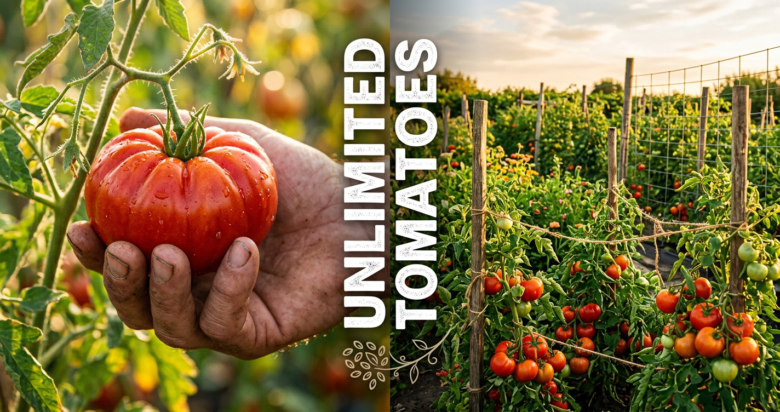
Are you tired of spending money on tomato plants every growing season? What if I told you that you could grow unlimited tomatoes year after year by saving seeds from just one tomato? It sounds too good to be true, but with the right knowledge and techniques, you can create a self-sustaining tomato garden that produces fresh, homegrown tomatoes indefinitely.
In this comprehensive guide, we’ll walk you through the process of seed saving, germination, and cultivation—everything you need to know to achieve unlimited tomato production from your home garden. Whether you’re a beginner or an experienced gardener, this step-by-step tutorial will help you maximize your harvest while minimizing your expenses.
Why Save Tomato Seeds? The Benefits Explained
Cost-Effectiveness
The most obvious benefit of saving tomato seeds is the financial savings. Instead of purchasing seed packets or seedlings from nurseries every spring, you can collect seeds from your most productive plants at the end of each season. A single seed packet typically costs $3-5, while a mature tomato plant contains hundreds of viable seeds. This means you can grow dozens of plants from one tomato, essentially making your initial investment last for years.
Superior Genetics
When you save seeds from your best-performing plants—those that produce the largest yields, taste the best, and show resistance to pests—you’re essentially practicing natural selection. Over successive generations, your homegrown tomato varieties become increasingly adapted to your specific growing conditions and climate.
Variety and Customization
Commercial seed production often limits consumers to popular, mass-produced varieties. By saving seeds, you gain access to heirloom and heritage tomato varieties that might not be available in stores.. You can also develop your own unique tomato strains tailored to your preferences.
Environmental Benefits
Growing your own seeds reduces your carbon footprint by eliminating the need for commercial seed production, packaging, and transportation. It’s a sustainable gardening practice that aligns with eco-conscious living.
Understanding Tomato Varieties: Which Ones Can You Save Seeds From?
Not all tomatoes are suitable for seed saving. Understanding the differences between determinate, indeterminate, hybrid, and heirloom varieties is crucial before you begin.
Determinate vs. Indeterminate Tomatoes
Determinate tomatoes grow to a fixed size and produce most of their fruit within a concentrated period. These are ideal for canning and commercial production but less suitable for continuous harvesting.
Indeterminate tomatoes grow continuously throughout the season, producing fruit until frost kills the plant. These varieties are perfect for seed saving since they provide extended harvests and multiple opportunities to select the best fruit.
Hybrid vs. Heirloom Tomatoes
Heirloom tomatoes are open-pollinated varieties that produce seeds true to type. This means seeds saved from heirloom tomatoes will grow into plants identical to the parent plant, making them ideal for seed saving.
Hybrid tomatoes are the result of cross-breeding two different varieties. While they often produce larger yields and improved disease resistance, seeds from hybrid tomatoes won’t produce plants identical to the parent. These F1 hybrids typically produce inferior offspring, making them unsuitable for long-term seed saving.
Best practice: Always save seeds from heirloom or open-pollinated varieties to ensure consistent results year after year.
Step-by-Step Guide: How to Save Tomato Seeds in 3 Minutes
1: Select the Right Tomato (30 seconds)
Choose a ripe, disease-free tomato from your healthiest plant. Look for fruit that exhibits the characteristics you want to propagate:
- Large size
- Excellent flavor
- Disease resistance
- Early ripening
- High productivity
Allow the tomato to fully ripen on the vine before harvesting. Fully mature tomatoes contain viable seeds ready for extraction.
2: Extract the Seeds (1 minute)
- Cut the tomato in half horizontally (not lengthwise)
- Gently squeeze each half into a container to release the seeds and gel-like substance
- Place seeds and pulp into a small bowl or jar
- Add a tablespoon of water to help separate seeds from debris
3: Fermentation Process (2-3 days—not shown in the quick version)
While the initial extraction takes just minutes, the fermentation process is crucial for seed viability:
- Cover the container loosely with a cloth or coffee filter
- Allow the mixture to ferment for 2-3 days at room temperature
- The fermentation process breaks down the gel coating that inhibits germination
- You’ll notice mold forming on the surface—this is normal and beneficial
- Daily stirring helps prevent excessive mold growth
4: Washing and Drying (1-2 minutes active time)
- Place fermented seeds in a fine-mesh strainer
- Rinse thoroughly under running water, rubbing seeds gently to remove remaining pulp
- Spread clean seeds on a paper towel or coffee filter
- Allow seeds to dry completely for 3-4 weeks in a warm, dry location
- Store completely dry seeds in a cool, dark place
The Complete Timeline: From Seed to Harvest
Starting Seeds Indoors (6-8 weeks before last frost)
What you’ll need:
- Seed-starting mix
- Small containers with drainage holes
- Grow lights or sunny windowsill
- Humidity dome or plastic wrap
- Spray bottle
Process:
- Fill containers with moist seed-starting mix
- Plant seeds ¼ inch deep
- Maintain soil temperature between 70-80°F
- Seeds germinate in 5-10 days
- Provide 14-16 hours of light daily
- Keep soil consistently moist but not waterlogged
- Thin seedlings, keeping only the strongest
Hardening Off (7-10 days before transplanting)
Seedlings started indoors must be gradually acclimated to outdoor conditions:
- Day 1-2: Place seedlings in shade outdoors for 2-3 hours
- Day 3-4: Increase outdoor exposure to 4-5 hours with dappled sunlight
- Day 5-7: Place in direct morning sun for 6-8 hours
- Day 8-10: Leave outside overnight if temperatures stay above 50°F
- Transplant to garden when nighttime temperatures consistently exceed 50°F
Garden Planting and Care
Spacing: Plant tomatoes 24-36 inches apart to allow adequate air circulation
Support: Install stakes, cages, or trellises to support indeterminate varieties
Watering: Provide 1-2 inches of water weekly, watering at soil level to prevent fungal diseases
Fertilisation: Apply balanced fertilizer every 3-4 weeks, switching to low-nitrogen formula once flowering begins
Pruning: Remove lower leaves and suckers on indeterminate varieties to improve air circulation
Harvesting: Pick tomatoes at the “breaker stage” (when the first blush of color appears) to encourage continued production and prevent splitting
Maximising Your Yield: Advanced Techniques
Succession Planting
Instead of planting all seedlings simultaneously, stagger plantings every 2 weeks. This extends your harvesting season and ensures continuous tomato production throughout summer and fall.
Multi-Generational Growing
After your first year of seed saving and propagation, you’ll have more seeds than you can use. This allows you to:
- Plant more densely for greater overall yield
- Grow multiple varieties simultaneously
- Experiment with different growing techniques
- Share seeds with family and friends
- Build a seed library for future years
Container Growing
Tomatoes thrive in large containers (minimum 5 gallons), making them suitable for patios, balconies, and small spaces. Container growing offers advantages, including:
- Better pest control
- Flexibility in placement
- Easier management of soil composition
- An extended growing season by moving containers under protection
Common Challenges and Solutions
Problem: Low Germination Rates
Solutions:
- Verify seeds are fully mature and dry before storage
- Check seed viability by floating in water (viable seeds sink)
- Ensure consistent moisture during germination
- Maintain proper temperature (70-80°F)
Problem: Disease or Pest Damage
Solutions:
- Only save seeds from healthy plants
- Practice crop rotation yearly
- Use disease-resistant heirloom varieties
- Inspect plants regularly for early pest detection
- Apply organic pest management strategies
Problem: Cross-Pollination Concerns
Solutions:
- Grow different tomato varieties at least 10 feet apart
- Plant physical barriers between varieties
- Focus on growing one variety for seed saving
- Hand-pollinate flowers to ensure pure genetics
Storing and Preserving Tomato Seeds for Longevity
Proper seed storage in cool, dark conditions extends seed viability for 5-10 years or more:
Optimal storage conditions:
- Temperature: 32-41°F (refrigerator or cool basement)
- Humidity: Below 50%
- Light: Complete darkness
- Container: Airtight envelope or glass jar with desiccant
Storage tips:
- Label seeds with variety name and collection date
- Include germination percentage information
- Store in a cool location away from heat sources
- Check seeds annually for signs of deterioration
Your Path to Unlimited Tomatoes
Growing unlimited tomatoes at home through seed saving is entirely achievable with the right knowledge and commitment. From selecting the perfect fruit to properly storing seeds for future generations, every step contributes to a sustainable, cost-effective gardening practice.
Start your tomato seed-saving journey today:
- Identify heirloom or open-pollinated tomato varieties you love
- Mark your healthiest, most productive plants during the growing season
- Extract and ferment seeds from premium fruit at season’s end
- Properly dry and store seeds in cool, dark conditions
- Plant next spring and watch your garden flourish
By implementing these techniques, you’ll not only save money on yearly seedling purchases—you’ll create a living garden legacy that produces fresh, delicious tomatoes year after year. The satisfaction of growing food from seeds you’ve saved yourself is immeasurable.
Ready to transform your garden? Save this guide, gather your materials, and begin your seed-saving adventure this season. Share your success stories in the comments below, and let’s build a community of home gardeners growing unlimited tomatoes together!