Studies show that having plants indoors can lower stress levels by up to 37%. Most people assume flowering plants are too difficult to grow inside. That assumption is wrong. The best indoor flowering plants for pots are not only beautiful but also surprisingly easy to keep alive and blooming. You just need the right plant, the right pot, and a little basic care. This guide covers everything: which plants to pick, what they need, and how to keep them flowering for as long as possible.
Why Potted Flowering Plants Make Your Home Better
Flowering plants do more than look good. NASA’s Clean Air Study found that many common houseplants remove toxins like benzene and ammonia from indoor air. Better air quality means better sleep, better focus, and fewer headaches over time.
Pots give you a level of control that garden beds never will. You choose the soil, the drainage, the pot size, and where the plant sits. If a spot is not working, you simply move the pot. That flexibility makes indoor pot gardening one of the easiest ways to start growing plants at home.
Cost is another reason to start. A single flowering plant from a garden center costs between three and fifteen dollars. That one plant can bloom for months and even produce new blooms year after year with proper care.
What to Check Before Buying an Indoor Flowering Plant
Not every flowering plant works in every home. Before you spend money, check your windows. South and west-facing windows get the most direct light. East windows get gentle morning sun, which suits most flowering houseplants perfectly. North windows are the weakest for light and limit your choices significantly.
Pot size matters more than most people think. A pot that is too large holds extra moisture around the roots and causes rot. A pot that is too small stunts root growth and reduces blooms. Match the pot size to the root ball of the plant, leaving about 1 to 2 inches of extra space around the sides.
Drainage holes are not optional. No matter how beautiful a decorative pot looks, if it has no drainage hole, roots will sit in standing water and die. Always use a pot with at least one hole at the bottom.
| Factor | What to Look For |
|---|---|
| Light | Bright indirect vs. low light tolerance |
| Pot Size | Match root ball with 1 to 2 inches extra space |
| Drainage | Holes at the bottom, always |
| Soil | Well-draining mix with perlite added |
| Watering Frequency | Weekly vs. every 10 to 14 days |
The Best Indoor Flowering Plants for Pots Right Now
1. Peace Lily (Spathiphyllum)
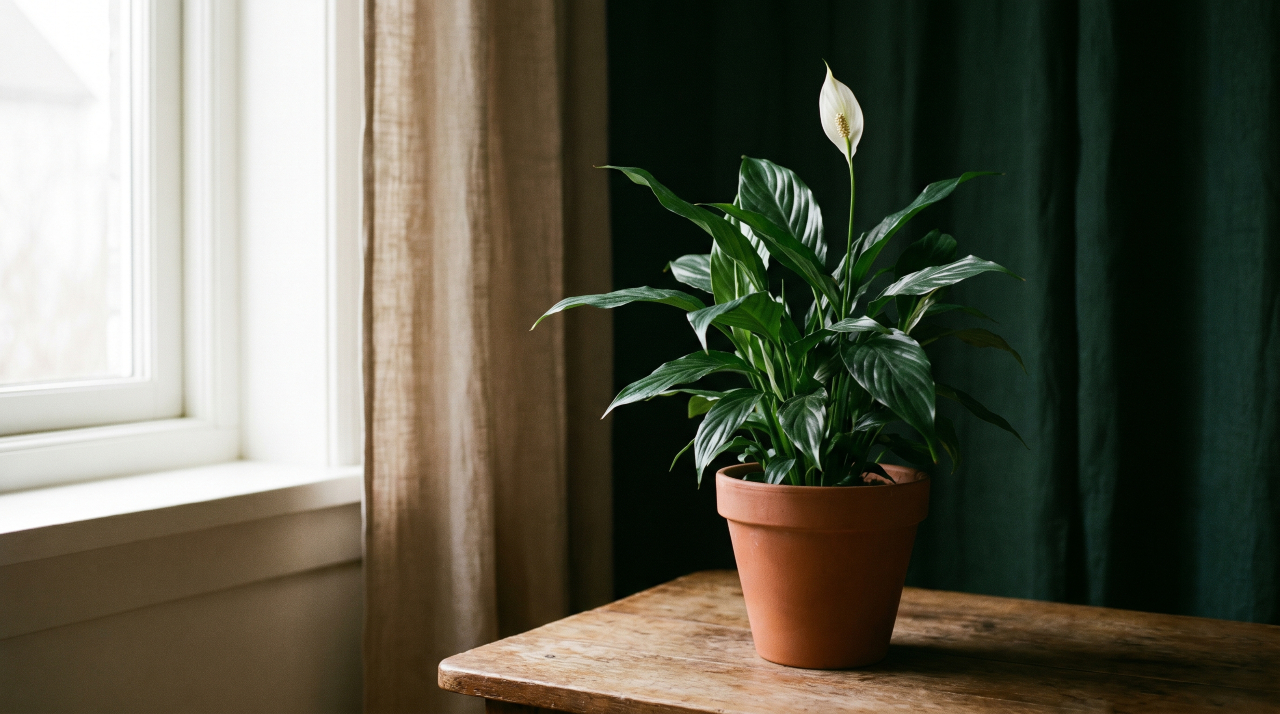
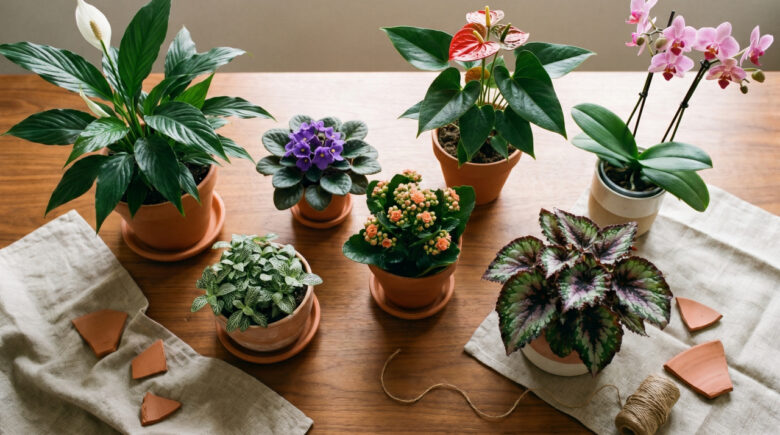
The Peace Lily is one of the few best indoor flowering plants for pots that will bloom in low light. It produces elegant white flowers in spring and sometimes again in fall. A north-facing room or a shaded corner near a window is enough for it to thrive.
Water it once a week and let the top inch of soil dry out between waterings. Use a 6 to 8 inch pot with good drainage. Peace Lilies also filter indoor air toxins including ammonia and benzene, which makes them one of the hardest-working plants you can own.
One important note: Peace Lilies are toxic to pets and small children. Keep them out of reach if you have animals or toddlers at home.
2. African Violet (Saintpaulia)
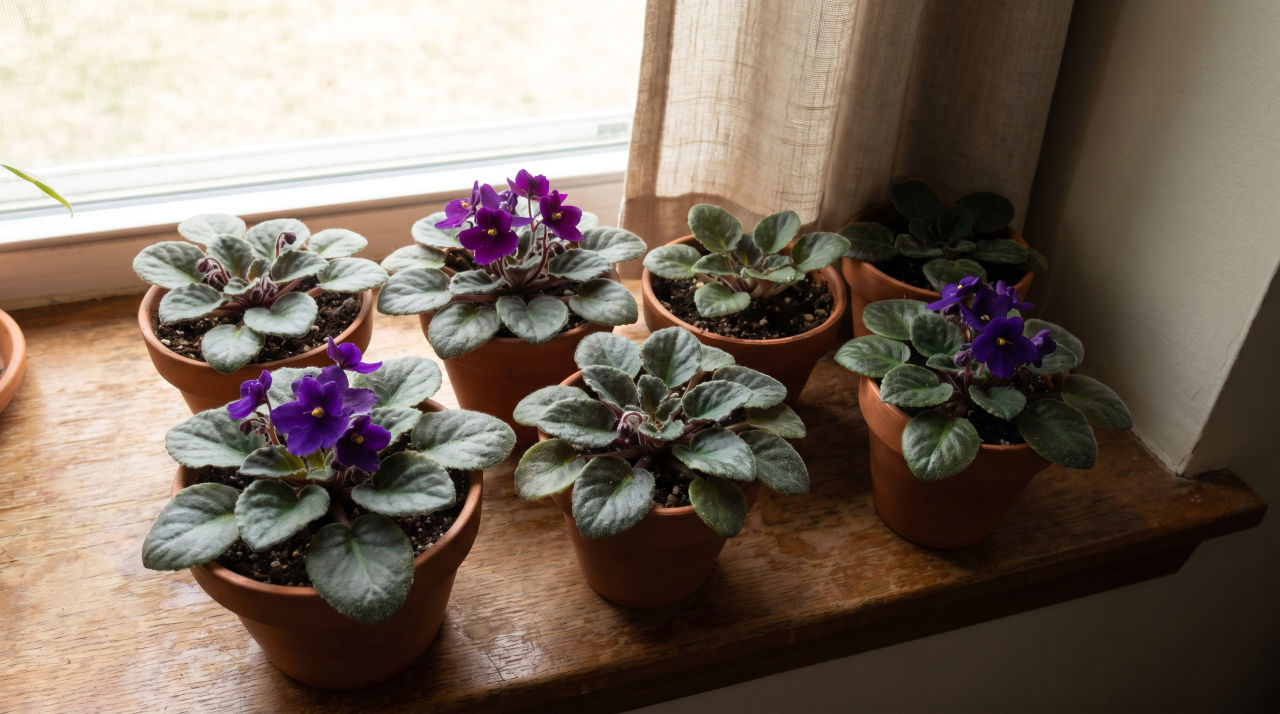
African Violets can bloom nearly all year long when they get the right light. Place them in an east or north-facing window where they receive bright but indirect sun. Direct afternoon light will scorch their fuzzy leaves and stop the blooming cycle completely.
Always water from the bottom by setting the pot in a shallow dish of water for 20 minutes. Wet leaves cause rot and fungal spots. Use a small 4 to 5 inch pot because African Violets actually bloom better when their roots are slightly snug.
These plants are compact enough to line a windowsill. A row of African Violets in different colors costs very little and creates a display that looks intentional and polished.
3. Kalanchoe (Kalanchoe blossfeldiana)
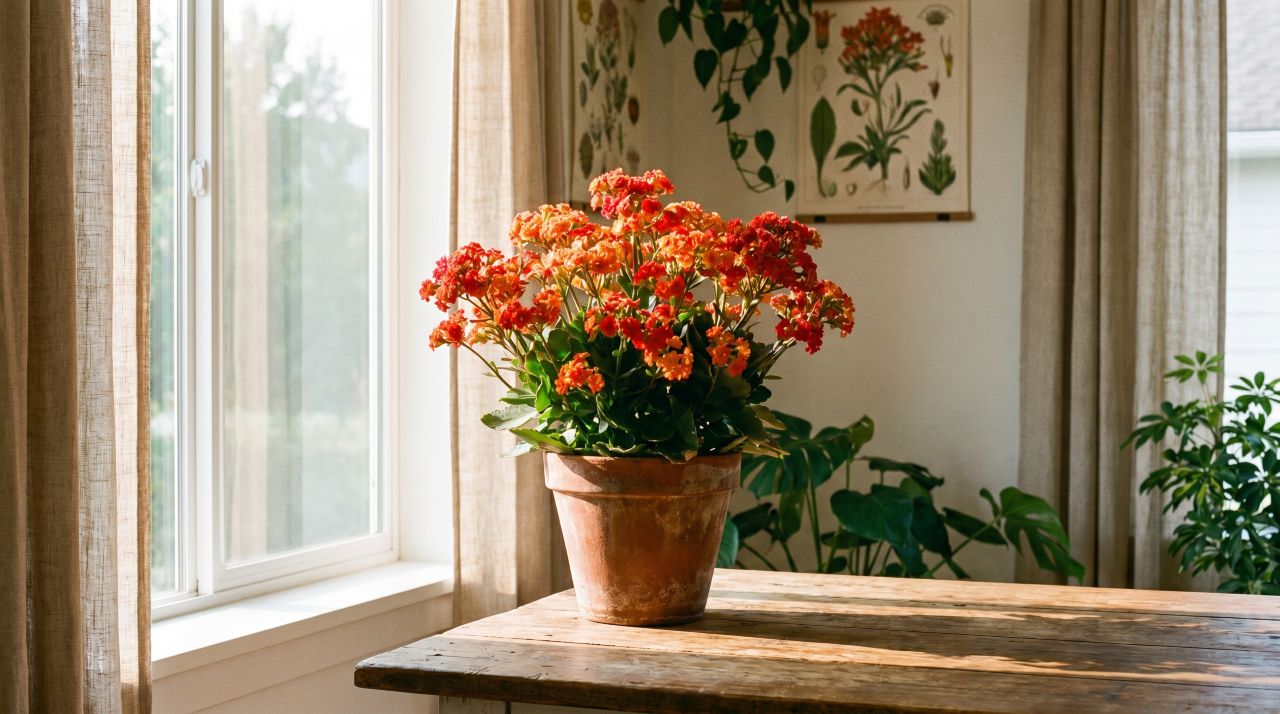
Kalanchoe is the best pick for indoor flowering plants for beginners. It is drought-tolerant, forgiving, and produces clusters of bright flowers in red, orange, yellow, or pink for up to eight weeks at a time. Missing a watering or two will not kill it.
Water every 10 to 14 days and let the soil dry out fully between waterings. Use a 4 to 6 inch pot with excellent drainage and a mix of potting soil and perlite. Morning sun from an east window gives it exactly the light it needs.
After the first blooms fade, place the plant in a dark room for 14 hours each night for about six weeks. This tricks it into producing a second round of flowers. Most people throw Kalanchoe away after the first bloom, but with this simple step, it will rebloom reliably.
4. Anthurium (Anthurium andraeanum)
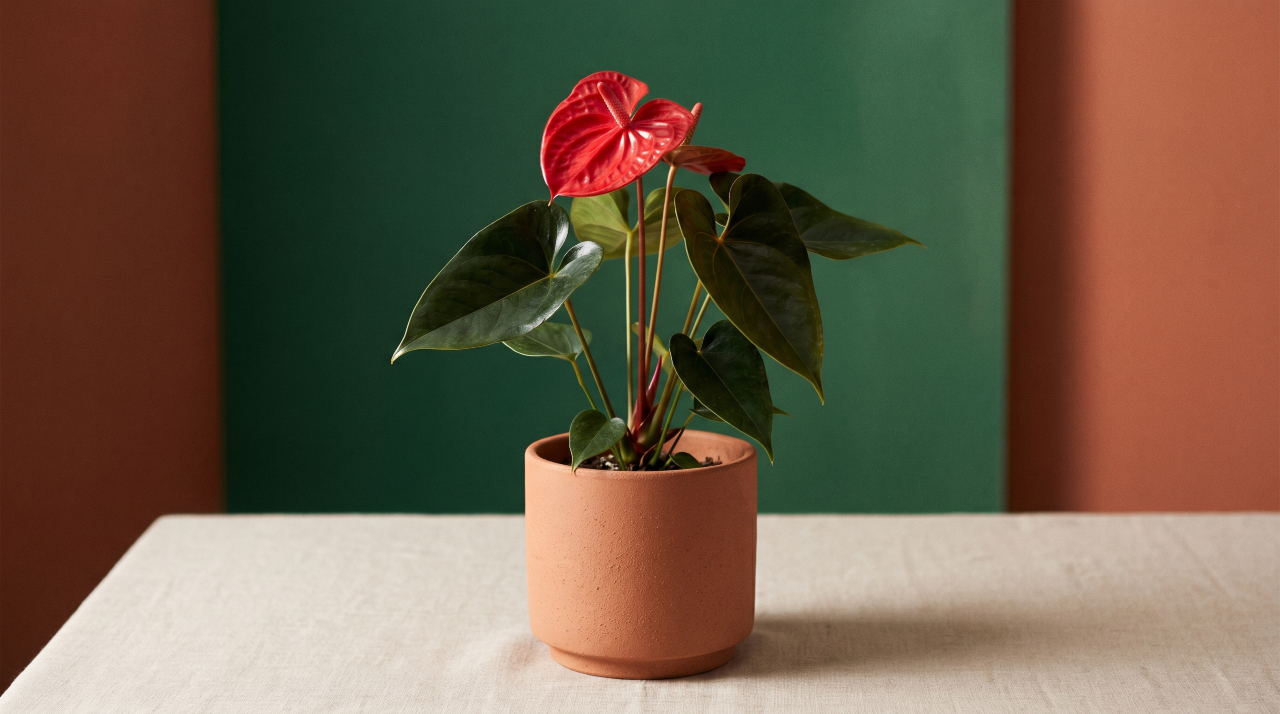
Anthuriums produce waxy, heart-shaped flowers in red, pink, white, or coral that last up to three months per bloom cycle. A healthy plant can bloom multiple times per year. Place it in bright indirect light, away from direct sun which will bleach the leaves.
Water when the top inch of soil dries out. Use a chunky, well-draining potting mix with orchid bark or perlite mixed in. A medium pot with good airflow around the roots keeps the plant healthy long-term.
Anthuriums are toxic to pets and children, so placement matters. Put them on a high shelf or a room that animals and kids do not access regularly.
5. Orchid (Phalaenopsis)
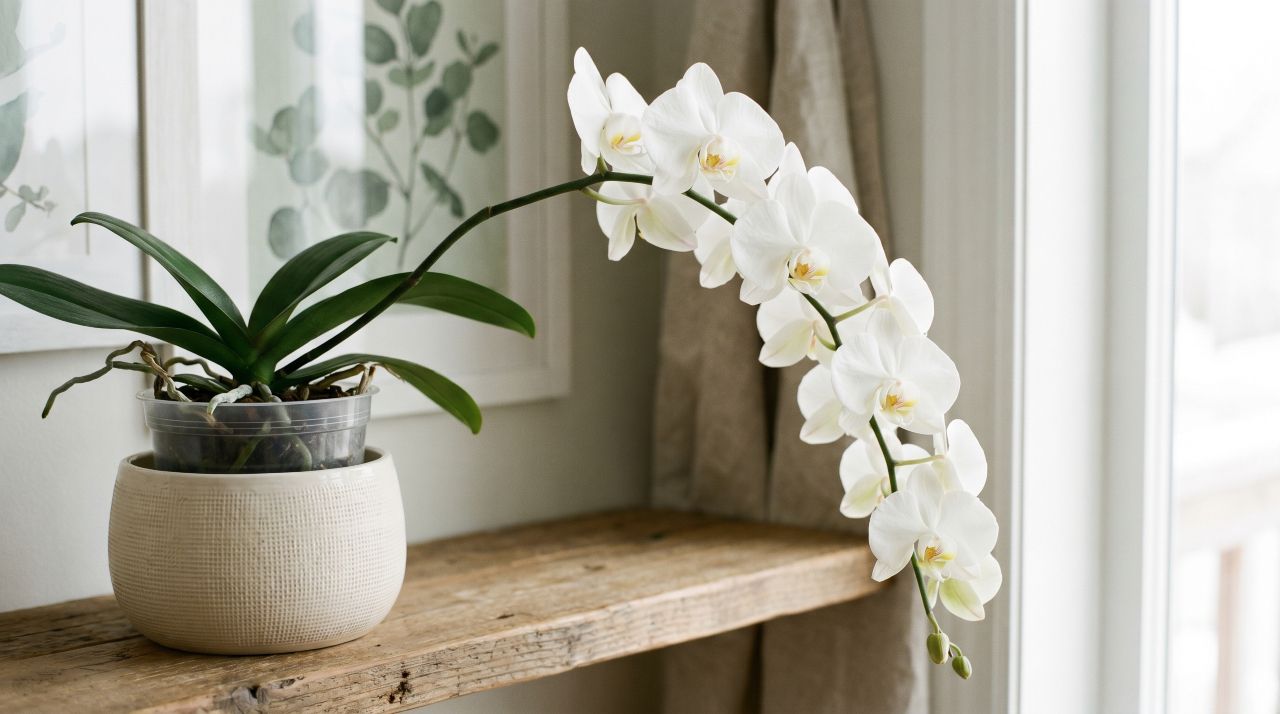
Phalaenopsis Orchids are far easier to grow than their reputation suggests. Each bloom spike lasts two to four months. With the right care, the same plant will rebloom year after year without needing to buy a new one each time.
Water every 7 to 10 days and let the roots dry out fully between waterings. Use a clear plastic grower pot inside a decorative pot so you can check root health without disturbing the plant. Healthy roots are green when wet and silvery gray when dry.
To trigger reblooming, move the plant to a slightly cooler room at night in September or October. A 10-degree drop in temperature overnight for four to six weeks signals the plant to produce a new flower spike. The American Orchid Society has detailed guidance on this process for those who want to go deeper.
6. Begonia (Wax Begonia or Rieger Begonia)
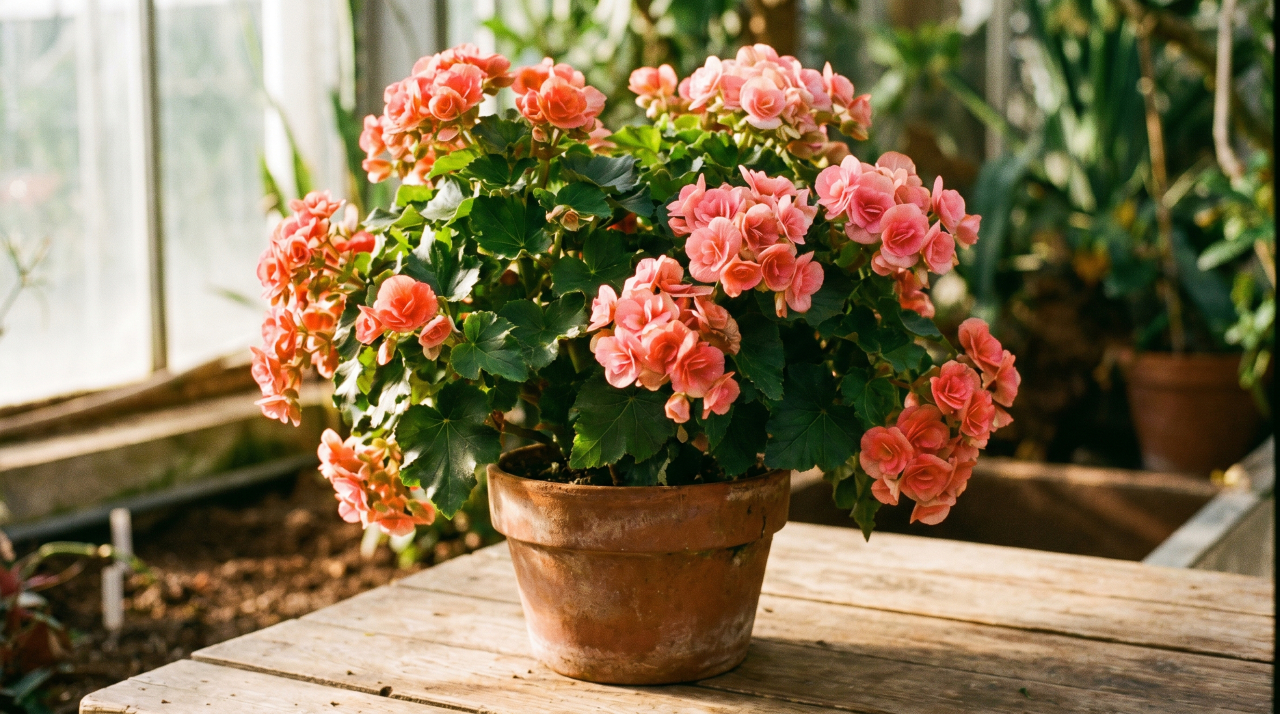
Begonias are reliable bloomers that come in dozens of colors including red, pink, white, orange, and bicolor. Indoors, they can bloom from spring through fall and sometimes longer with consistent bright indirect light. Few flowering houseplants offer this level of variety and consistency together.
Keep the soil moist but never waterlogged. A 6 inch pot works well for most begonia varieties. Remove dead flowers as soon as they fade so the plant redirects its energy into producing new ones.
Rieger Begonias are especially good indoors because they are bred specifically for indoor and low-light conditions. Look for them at garden centers in late winter when they are most widely stocked.
7. Bromeliad (Guzmania or Vriesea)
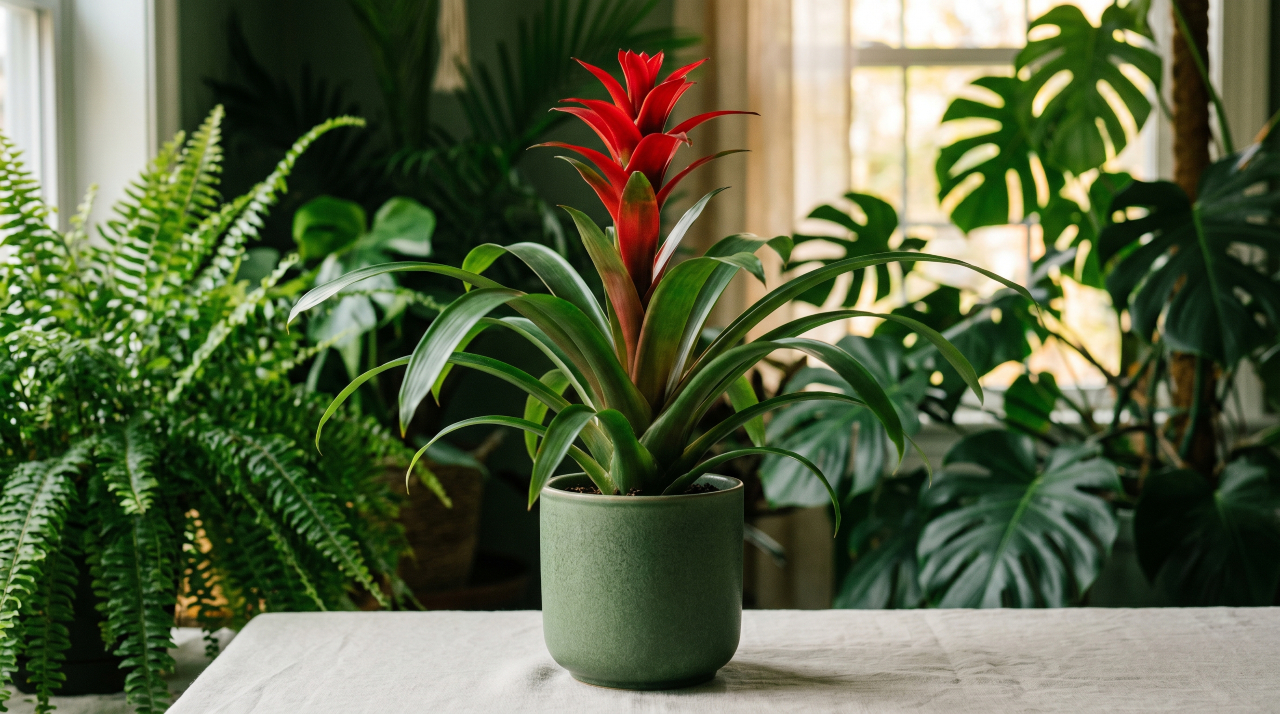
Bromeliads have a tropical look that stands out in any room. The central flower spike, which comes in red, orange, yellow, or purple, lasts for several months before fading. The plant itself stays attractive long after the bloom is done.
Water by keeping the central cup at the base of the leaves filled with fresh water. Change the water every two weeks to prevent stagnation. The soil in the pot only needs light watering every two to three weeks.
Each bromeliad blooms once in its lifetime, but produces small offshoots called pups at the base as it finishes blooming. Cut those pups off when they are about one-third the size of the mother plant and pot them separately. Each pup will eventually bloom on its own, giving you a continuous cycle of new plants for free.
8. Geranium (Pelargonium)
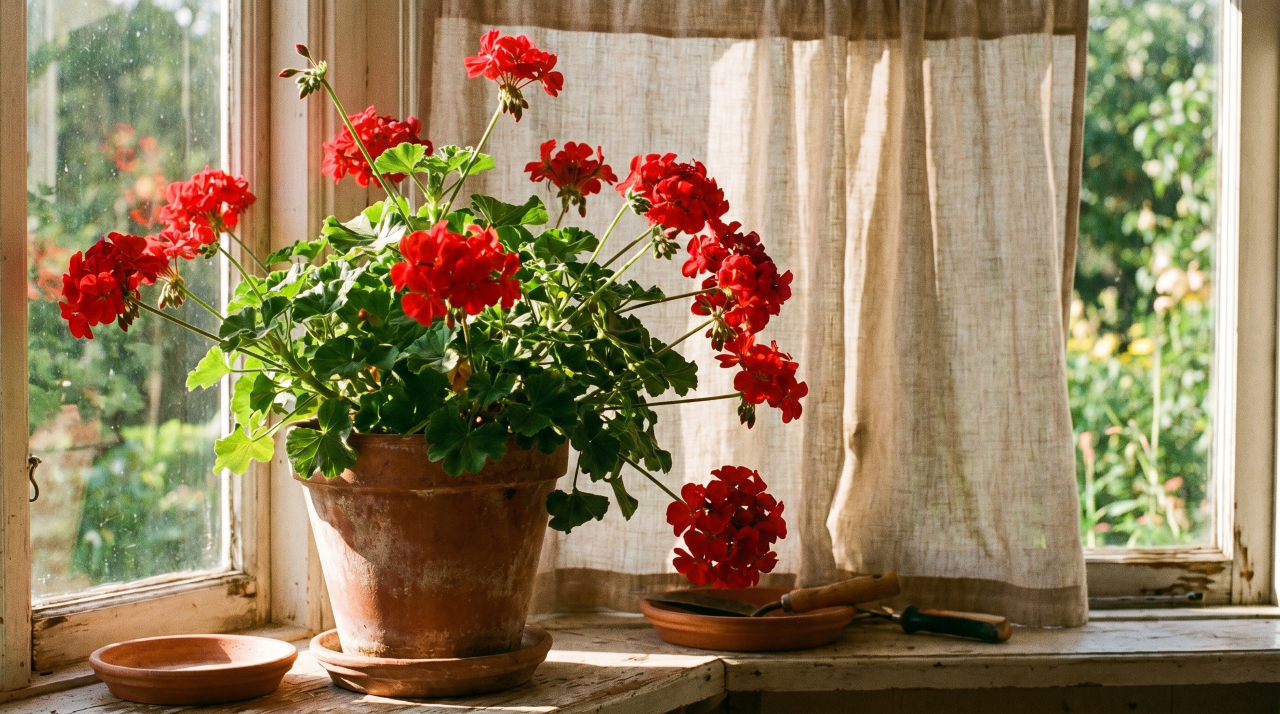
Geraniums are one of the most familiar and dependable potted flowering plants indoors when placed near a bright window. They need at least four to six hours of direct sun each day, making a south or west-facing window the best location. Without enough light, they produce leggy stems and few flowers.
Let the soil dry out between waterings. Geraniums hate sitting in wet soil and will drop leaves and stop blooming if overwatered. A medium pot with very good drainage and a standard potting mix works perfectly.
Many geranium varieties are fragrant, which makes them pleasant in a living room or kitchen. Pinch off spent flower clusters regularly to encourage a steady supply of new blooms throughout the growing season.
9. Hoya (Hoya carnosa)
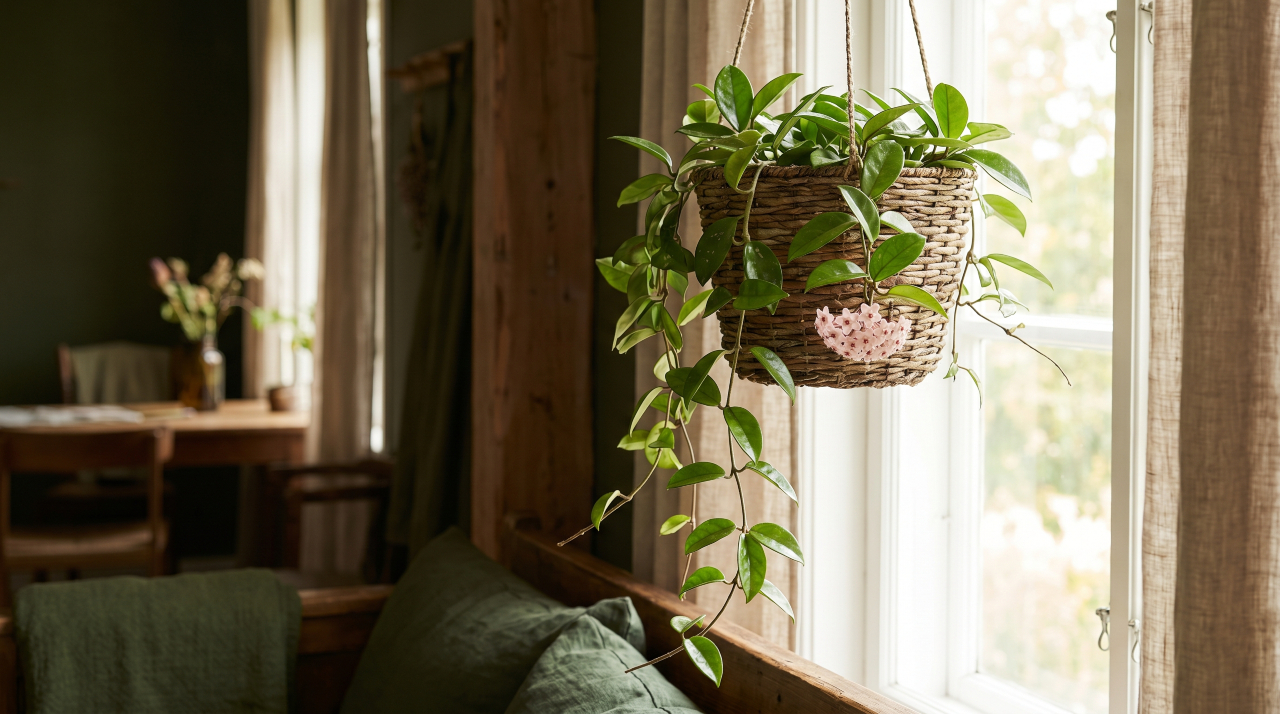
Hoyas produce clusters of small, star-shaped flowers that smell sweet and waxy. They bloom in spring and summer and are one of the easiest plants on this list to keep alive through winter. Bright indirect light near an east or west window is all they need.
Water every 10 to 14 days. Hoyas are drought-tolerant and actually bloom better when slightly root-bound. Resist the urge to repot them too often. A snug root system encourages the plant to flower rather than focus on producing more roots and foliage.
The trailing stems of Hoya carnosa look excellent in a hanging basket or draped over the edge of a shelf. Growth is slow but steady, and an established Hoya plant can produce dozens of flower clusters in a single season.
10. Miniature Potted Rose
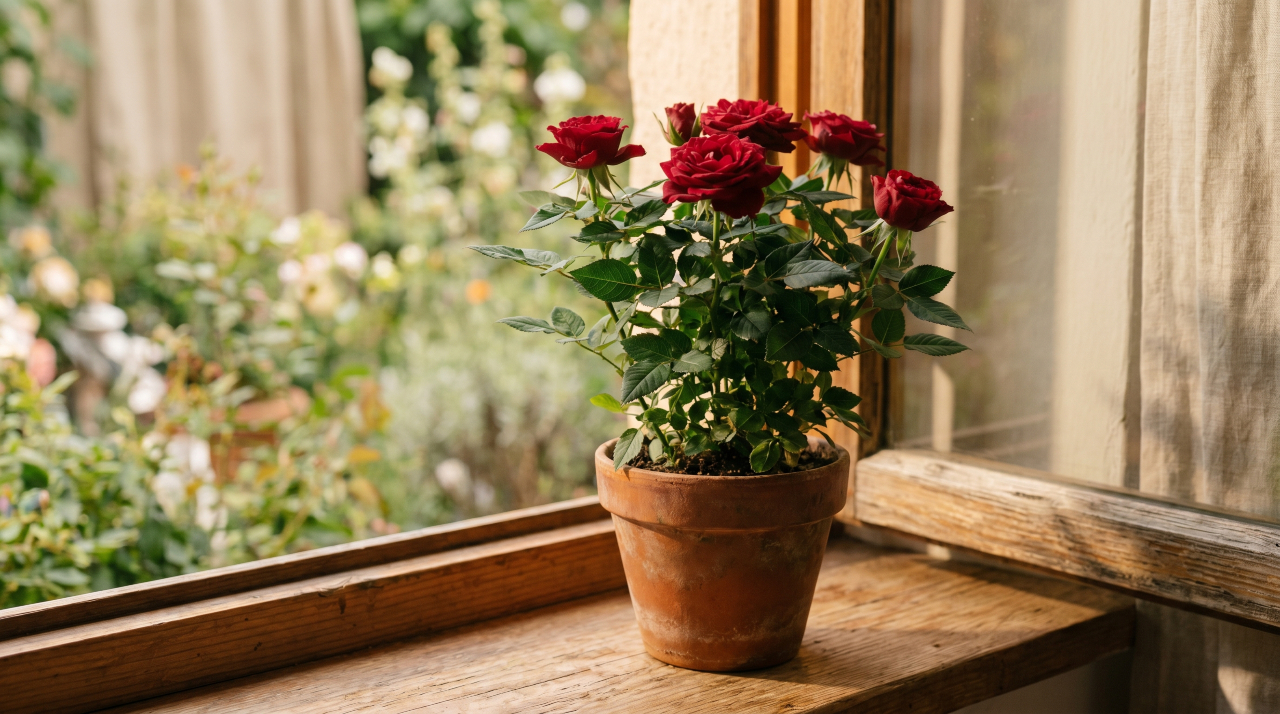
Miniature roses bring classic beauty inside. They can bloom from late winter through summer when placed in a spot with at least six hours of bright light each day. A sunny south-facing windowsill gives them exactly what they need.
Keep the soil consistently moist but not soggy. Miniature roses do not tolerate drying out the way succulents do. Feed them with a balanced liquid fertilizer every two weeks during spring and summer to keep blooms coming steadily.
Watch for spider mites, which are the most common pest on indoor roses. Check the undersides of leaves weekly. A spray bottle with a diluted neem oil solution handles most infestations before they spread.
Simple Tips to Keep Your Indoor Flowers Blooming Longer
Most indoor flowering plants stop blooming for one of two reasons: not enough light or not enough nutrients. Both are easy to fix. Move the plant closer to a window and start a regular feeding schedule with a balanced liquid fertilizer every two to four weeks during spring and summer.
Deadheading is one of the most effective things you can do. Remove spent flowers as soon as they fade. The plant stops putting energy into dying blooms and redirects it into producing new ones. This single habit can extend a blooming period by weeks.
Humidity also plays a bigger role than most people expect. Most flowering houseplants prefer humidity between 40% and 60%. Indoor heating systems dry the air significantly in winter, which causes buds to drop before they even open. Set pots on a tray filled with pebbles and water to raise humidity naturally without wetting the roots.
Here is a quick checklist to boost blooming:
- Deadhead every three to five days during peak bloom
- Feed with liquid fertilizer monthly in spring and summer
- Rotate pots a quarter turn every week for even light exposure
- Keep pots away from heating vents and air conditioning units
- Water in the morning so excess moisture evaporates through the day
Mistakes That Stop Your Indoor Plants From Flowering
Overwatering is the most common reason potted flowering plants fail. Soggy soil cuts off oxygen to the roots and causes rot within days. Always check that the top inch of soil is dry before watering again, and never let a pot sit in a saucer full of standing water.
Choosing a pot that is too large is a mistake that is easy to overlook. When there is too much soil around the roots, the plant focuses on growing roots instead of producing flowers. Wait until roots are visibly pushing out of drainage holes before moving up to the next pot size.
Skipping fertilizer is another common problem. Plants in pots use up available nutrients within weeks. Without regular feeding, flowering slows down and eventually stops entirely. A simple liquid fertilizer applied monthly during the growing season is enough to maintain healthy, consistent blooms.
Low humidity causes bud drop in many tropical flowering plants including anthuriums, orchids, and bromeliads. If you see buds forming but falling off before they open, dry air is usually the cause. Grouping plants together raises local humidity naturally as they release moisture through their leaves.
Which Pots Work Best for Flowering Plants Indoors
Terracotta pots are the most practical option for most flowering plants. They allow air and moisture to pass through the walls, which prevents root rot and keeps soil conditions more stable. Plants like kalanchoe, geraniums, and orchids do especially well in terracotta.
Plastic pots hold moisture longer, which suits plants that prefer consistent soil moisture like peace lilies and begonias. They are also lightweight and easy to move, which is useful if you rotate plants between rooms seasonally.
Glazed ceramic pots look polished and come in many colors, but they are heavy and retain moisture similar to plastic. Self-watering pots work well for busy people but should be avoided for drought-tolerant plants like hoyas and kalanchoe that need dry periods between waterings.
Always avoid pots without drainage holes, no matter how attractive they look. A layer of gravel at the bottom does not solve the drainage problem the way many people assume. Water still accumulates above it and damages roots over time.
A Quick Seasonal Guide for Indoor Flowering Plants
Spring is the most important season for indoor flowering plants. Resume fertilizing as days get longer and brighter. Repot any plant that has outgrown its container, and gradually increase watering as growth picks up again.
Summer is peak growing season. Most flowering plants need more frequent watering and benefit from weekly feeding. Watch for spider mites and aphids, which are most active in warm, dry conditions. Check the undersides of leaves regularly.
Fall is when you prepare plants for slower winter growth. Reduce fertilizing in September. Some plants, like orchids and kalanchoe, need a cool period in fall to trigger their winter or spring bloom cycle. Move them to a slightly cooler room at night to start that process.
Winter brings slower growth for most flowering plants. Reduce watering frequency and stop fertilizing entirely for most varieties. Move pots as close to windows as possible since days are shorter and light levels drop significantly indoors during this season.
Start With One Plant and Go From There
Indoor flowering plants improve your mood, clean your air, and make any room look better. You do not need a green thumb or years of experience to grow them successfully in pots. You just need the right plant matched to the light you actually have at home.
If you are a beginner, start with a Kalanchoe, a Peace Lily, or an African Violet. All three are forgiving, widely available, and will reward consistent basic care with weeks of blooms. Pick one plant from this list, get a pot with drainage, place it near your brightest window, and water it on a schedule.