
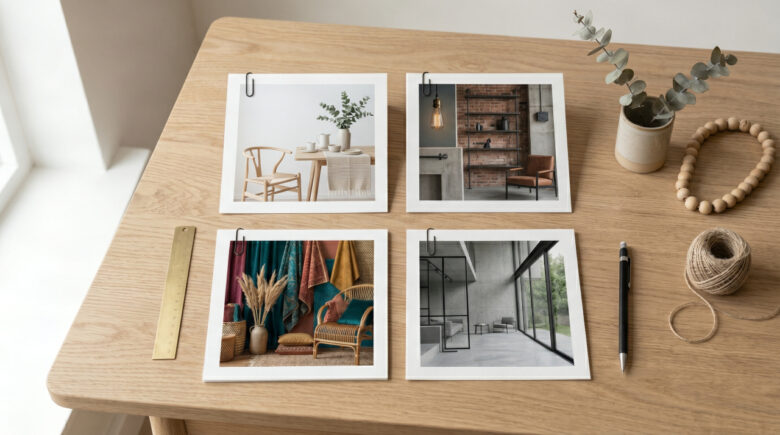
Did you know that the average person spends over 90% of their time indoors? That means the space around you affects your mood, your focus, and even your energy levels every single day. Picking the right interior design style is one of the most direct ways to make your home feel like it was built for you.
There are dozens of different interior design styles out there. Some are clean and simple. Others are bold and layered. This guide breaks down the most popular ones so you can figure out which look fits your life. No guessing. No confusing design jargon. Just clear, honest info.
By the end, you will know what makes each style unique, what materials and colors define it, and how to start pulling it off in your own home.
What Actually Defines an Interior Design Style
A design style is not just about color. It is a full system made of furniture shapes, materials, lighting, layout, and even the textures on a throw pillow. When all these elements match a common visual language, a room feels intentional instead of random.
Most people mix styles without realizing it. That is fine. But knowing the rules of each style helps you break them on purpose. The best interiors usually borrow from two or three compatible styles rather than copying one exactly.
One thing that every style shares: less clutter always looks better. Even a heavily decorated bohemian room has a logic to how things are placed.
Modern Interior Design Style: Clean Lines and Open Space
Modern design is probably what most people picture when they hear the word “minimalist.” It uses straight lines, a neutral color palette, and almost no decorative clutter. The goal is a room that looks effortless and open.
Colors in modern interiors stay in a tight range: white, gray, black, and sometimes warm beige. Furniture sits low to the ground with thin legs and smooth surfaces. Materials like glass, polished steel, and poured concrete show up often.
Modern style works best in homes with large windows and good natural light. It can feel cold in smaller, darker rooms unless you warm it up with textiles like wool throws and linen cushions.
Scandinavian Design Style: Warmth Without the Clutter
Scandinavian design, or “Scandi,” comes from the Nordic countries where winters are long and indoor comfort matters a lot. The style blends the clean simplicity of modern design with much warmer, cozier elements.
Think light wood floors, white walls, soft wool rugs, and lots of candles. Furniture is simple but comfortable. Plants are almost always part of the picture. The Danish concept of hygge, which means a feeling of coziness and togetherness, drives a lot of Scandinavian design choices.
This style works incredibly well in small apartments. It makes rooms feel bigger and brighter without stripping out all personality. If you want a home that feels calm and livable, Scandi is hard to beat.
Industrial Interior Design Style: Raw, Urban, and Unapologetic
Industrial design takes its look directly from old factories and warehouses. Exposed brick walls, visible ceiling pipes, raw steel beams, and weathered wood are its main ingredients. It is a style that shows the bones of a building rather than hiding them.
The color palette leans dark. Think charcoal gray, rust, dark brown, and matte black. Lighting is usually Edison bulb pendants or metal cage fixtures. Furniture tends to be heavy and functional, built from reclaimed wood or distressed leather.
Industrial interiors work best in open-plan loft spaces. Trying to force this style into a small, traditional room often ends up looking messy rather than intentional. The key is having architectural features that support it.
Bohemian Interior Design Style: Layered, Colorful, and Personal
Bohemian, or “boho,” design is the opposite of minimalism. It celebrates color, pattern, texture, and personal collections. A well-done bohemian room feels like a story rather than a showroom.
Jewel tones like deep teal, burgundy, and mustard yellow mix with earthy neutrals. Furniture is low, soft, and often mismatched on purpose. Rattan chairs, macramé wall hangings, patterned rugs layered on top of each other, and shelves full of plants and travel souvenirs all belong here.
The only rule in bohemian design is that it has to feel personal. If your room looks like it could be in a catalog, it is probably not boho enough. Buy pieces you actually love, layer them generously, and let the room build over time.
Traditional Interior Design Style: Classic, Timeless, and Refined
Traditional design draws from European decoration of the 18th and 19th centuries. It is formal, symmetrical, and built around quality materials that are meant to last decades. If you have ever walked into a home that felt both impressive and instantly comfortable, it was probably traditional.
Dark, rich wood furniture with carved details. Silk and velvet upholstery. Persian or Oriental rugs. Deep color walls in navy, hunter green, or burgundy paired with cream trim. Formal window treatments with floor-length drapes. Every element has a clear role.
Traditional style is not trendy, and that is the point. It ages gracefully. A well-furnished traditional room can look just as good in 30 years as it does today. The downside is that quality traditional pieces cost more upfront.
Mid-Century Modern Style: Retro Function Meets Organic Form
Mid-century modern refers to design from roughly 1945 to 1969. It became popular again in the 2000s and has not slowed down since. The style is defined by clean lines, functional furniture, and a mix of organic curves with geometric shapes.
Teak and walnut furniture with tapered legs. Mustard yellow, olive green, and burnt orange color palettes. Abstract art on the walls. Large windows connecting the inside to the outdoors. Iconic pieces like the Eames lounge chair or Saarinen tulip table sit at the center of many mid-century rooms.
This style is easier to pull off than people think. A few well-chosen vintage or retro-inspired pieces against a neutral background can transform a room. Thrift stores and online marketplaces are full of authentic mid-century finds at reasonable prices.
Coastal Interior Design Style: Relaxed, Bright, and Airy
Coastal style brings the beach indoors without going overboard on seashell decorations. The real goal is capturing a feeling, not a theme. Light, bright, and breezy is the target.
White and sandy beige are the base colors, with shades of blue ranging from pale sky to deep ocean providing accents. Natural materials like driftwood, jute, woven seagrass, and linen keep things feeling organic and relaxed. Furniture is often white-painted wood or natural rattan.
Coastal interiors work best when natural light is strong and the room has good airflow. Sheer curtains instead of heavy drapes, bare floors or natural fiber rugs, and minimal clutter all help the style land correctly. Homes far from any actual coastline can still pull this off with the right materials and light.
Japandi Style: The Blend of Japanese and Scandinavian Design
Japandi is a newer term for a combination of Japanese minimalism and Scandinavian warmth. Both design cultures share a love of natural materials, functional furniture, and calm, uncluttered spaces. Put them together and you get one of the most serene design styles available.
The color palette is muted: soft whites, warm grays, greige, and deep charcoal used as an accent. Furniture sits low and close to the ground in the Japanese tradition, but uses the warm wood tones associated with Scandi design. Wabi-sabi, the Japanese idea that imperfection is beautiful, gives Japandi its soul. A hand-thrown ceramic bowl or a rough-edged wooden shelf belongs here more than a factory-perfect piece.
Japandi works in any size space. It is particularly good for people who find pure minimalism too cold but feel overwhelmed by maximalist styles. Start with natural wood tones, a muted color palette, and very intentional decor choices.
Quick Comparison of Popular Interior Design Styles
Use this table as a fast reference when you are trying to narrow down your options.
| Style | Key Colors | Key Materials | Best For |
| Modern | White, gray, black | Glass, steel, concrete | Minimalists |
| Scandinavian | White, beige, soft pastels | Wood, wool, linen | Small spaces |
| Industrial | Gray, rust, dark brown | Exposed brick, metal | Lofts, studios |
| Bohemian | Jewel tones, earthy hues | Rattan, macramé, fabric | Creative spirits |
| Traditional | Cream, navy, burgundy | Rich wood, silk, velvet | Classic homes |
| Mid-Century Modern | Mustard, olive, teal | Teak, walnut, plastic | Retro fans |
| Coastal | Blue, white, sandy beige | Driftwood, linen, jute | Beach lovers |
| Japandi | Greige, soft white, black | Oak, bamboo, clay | Calm seekers |
How to Find the Right Interior Design Style for Your Home
Start with your lifestyle, not with Pinterest boards. Ask yourself how you actually use your home. Do you host dinner parties or prefer quiet evenings alone? Do you have kids or pets that need durable surfaces? oro you collect things, or do you hate visual clutter? Your honest answers will eliminate half the styles on this list immediately.
Next, look at your architecture. A Victorian house with original moldings and high ceilings is fighting against an industrial makeover. A glass-walled modern apartment will look strange stuffed with heavy traditional furniture. Work with the bones of your space, not against them.
Budget matters too. Some styles like bohemian and Japandi are actually budget-friendly because they reward thrift-store finds and handmade pieces. Traditional and mid-century modern can get expensive fast if you chase authentic materials. Know what you can spend before you fall in love with a look.
Finally, do not feel locked in. Most well-designed homes blend two compatible styles. Modern with Japandi elements. Scandinavian with coastal touches. Bohemian with traditional anchors. Your home should feel like you, not like a design magazine.
Common Interior Design Mistakes to Skip
Buying all your furniture at once is the biggest mistake beginners make. Rooms need time to develop. Buy one key piece, live with it for a few weeks, and then decide what comes next. Rushed rooms always look rushed.
Ignoring scale is another common problem. A small sofa in a large living room looks wrong. An oversized sectional in a small apartment creates a cramped, suffocating feel. Always measure before you buy, and look up the actual dimensions of pieces online.
Overhead lighting does very little for a room’s atmosphere. Layer your light sources: floor lamps, table lamps, and task lighting all working together create a room that looks warm and intentional at different times of day. This applies to every style on this list.
Simple First Steps to Start Redesigning Your Space
Pick one room and start small. Repainting a wall, replacing a rug, or swapping out throw pillows costs very little and teaches you a lot about what your eye responds to. Big decisions become clearer once you have a few small wins under your belt.
Save images of rooms you like, but look for patterns rather than copying. If every room you save has warm wood tones and plants, that tells you something about the style you actually want. Use those patterns as your design brief.
Research before you buy. Dezeen’s interior design section and House Beautiful both show real projects across every major style. Looking at finished rooms gives you a much more accurate picture than product listings alone.
Your Home, Your Style
There is no wrong answer when it comes to different interior design styles. Modern, bohemian, Japandi, traditional, and industrial, each one works beautifully when it is applied with intention and matched to the people living in the space.
The most important thing is to start. Pick a style that excites you, make one small change, and see how it feels. Design is not permanent. Walls get repainted. Furniture gets sold. You are allowed to change your mind.