
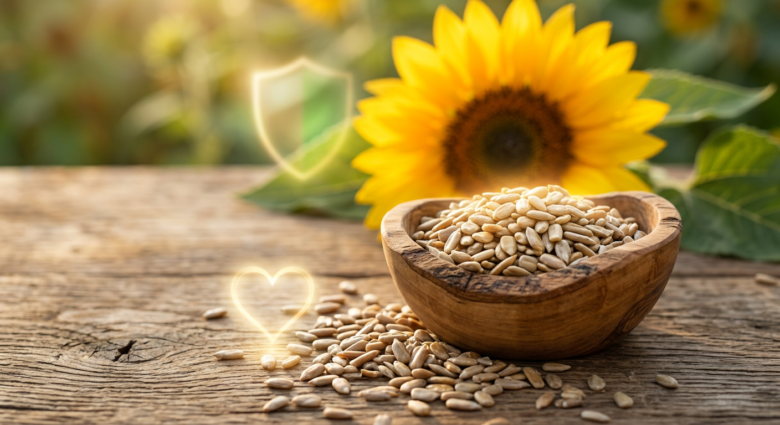
Most people walk past sunflower seeds in the grocery store without a second thought. Maybe you associate them with baseball games, bird feeders, or that bag your grandfather used to keep on the porch. But here’s the truth that nutritionists, dermatologists, and cardiologists have known for years: sunflower seeds are one of nature’s most underrated nutritional powerhouses.
Packed with essential vitamins, minerals, healthy fats, and plant-based protein, sunflower seeds deliver benefits that rival — and often exceed — many expensive supplements sitting on pharmacy shelves. From radiant skin to a fortified immune system to a healthier heart, the science-backed advantages of these tiny seeds are nothing short of remarkable.
In this comprehensive guide, we’re breaking down the top benefits of sunflower seeds, why you should be eating them daily, and exactly how to incorporate them into your routine for maximum results.
Want to learn more? Check Out Our Detailed Guide on YouTube!
What Makes Sunflower Seeds So Nutritious?
Before we dive into the specific health benefits, let’s look at what’s actually inside a sunflower seed. A single one-ounce serving (about a quarter cup, or 28 grams) of shelled sunflower seeds contains:
- Calories: 164
- Protein: 5.5 grams
- Healthy Fats: 14 grams (mostly polyunsaturated and monounsaturated)
- Fiber: 3 grams
- Vitamin E: 49% of the Daily Value (DV)
- Selenium: 41% of the DV
- Copper: 26% of the DV
- Magnesium: 9% of the DV
- Zinc: 10% of the DV
- Folate: 17% of the DV
- Vitamin B6: 11% of the DV
That’s a staggering nutrient profile for something so small, so affordable, and so easy to eat. Now, let’s explore what all of those nutrients actually do for your body.
Sunflower Seeds and Heart Health: The Vitamin E Secret
Heart disease remains the leading cause of death worldwide, and millions of people spend thousands of dollars annually on medications and treatments designed to protect cardiovascular function. But what if part of the solution was sitting in a bag at your local supermarket for less than three dollars?
How Sunflower Seeds Protect Your Heart
Sunflower seeds are one of the richest natural sources of Vitamin E on the planet. Vitamin E is a fat-soluble antioxidant that plays a critical role in preventing oxidative damage to your cells — particularly the cells lining your blood vessels and arteries.
When LDL cholesterol (the “bad” cholesterol) becomes oxidized, it forms plaque along arterial walls, leading to atherosclerosis, restricted blood flow, and eventually heart attacks or strokes. Vitamin E neutralizes the free radicals responsible for this oxidation, essentially acting as a shield for your cardiovascular system.
But that’s not all. Sunflower seeds also contain:
- Linoleic acid, a polyunsaturated fatty acid that has been shown in multiple studies to help reduce total cholesterol and LDL cholesterol levels.
- Magnesium, which helps regulate blood pressure by relaxing blood vessel walls.
- Phytosterols, plant compounds that block cholesterol absorption in the gut, further lowering blood cholesterol levels.
A study published in the Journal of the American Heart Association found that diets rich in seeds and nuts were associated with a significantly lower risk of cardiovascular events. Another study in the European Journal of Clinical Nutrition specifically highlighted sunflower seeds for their ability to reduce inflammatory markers linked to heart disease.
The Bottom Line for Your Heart
Eating just one ounce of sunflower seeds daily can help lower bad cholesterol, reduce inflammation, regulate blood pressure, and protect your arteries from oxidative damage. That’s a lot of heart-protective power from a single handful.
Sunflower Seeds for Immunity: Stay Strong Naturally
Your immune system is your body’s first line of defense against viruses, bacteria, infections, and even certain cancers. And while there’s no single food that will make you invincible, sunflower seeds contain a unique combination of nutrients that work synergistically to strengthen immune function.
Key Immune-Boosting Nutrients in Sunflower Seeds
1. Selenium
One ounce of sunflower seeds provides over 40% of your daily selenium needs. Selenium is a trace mineral that plays a vital role in immune response. It helps your body produce selenoproteins — specialized enzymes that reduce oxidative stress and inflammation, both of which can weaken immune defenses. Research published in The Lancet has shown that selenium deficiency is linked to increased susceptibility to infections and slower immune recovery.
2. Zinc
Zinc is essential for the development and function of immune cells, including T-cells, natural killer cells, and neutrophils. Even a mild zinc deficiency can impair your body’s ability to fight off common colds, flu, and other infections. Sunflower seeds provide a meaningful dose of zinc with every serving.
3. Vitamin E (Again!)
Beyond its cardiovascular benefits, Vitamin E is a powerful immune modulator. It enhances the function of T-cells and supports the production of antibodies. Older adults, in particular, benefit from adequate Vitamin E intake, as immune function naturally declines with age.
4. Vitamin B6
This often-overlooked vitamin is critical for supporting biochemical reactions within the immune system. It helps your body produce white blood cells and ensures they function optimally. Sunflower seeds are an excellent plant-based source of B6.
A Natural Defense System in Every Handful
Instead of reaching for expensive immune-boosting supplements with questionable ingredient lists, consider what a simple daily serving of sunflower seeds can do. The combination of selenium, zinc, Vitamin E, and Vitamin B6 creates a multi-layered immune defense that helps your body fight illness naturally and recover faster when you do get sick.
Sunflower Seeds for Glowing Skin: Nature’s Best Beauty Hack
The beauty industry is a multi-billion-dollar machine built on serums, creams, and treatments that promise youthful, radiant skin. But dermatologists will tell you that true skin health starts from within — and sunflower seeds are one of the best foods you can eat for a natural, lasting glow.
Why Sunflower Seeds Are a Skin Superfood
Vitamin E and Skin Protection
Vitamin E is one of the most well-studied nutrients for skin health. It protects skin cells from UV radiation damage, pollution, and environmental toxins. Studies have shown that Vitamin E can help reduce the appearance of fine lines, wrinkles, and age spots by combating the free radicals that accelerate skin aging. Sunflower seeds provide nearly half your daily Vitamin E needs in a single serving.
Healthy Fats for Moisture and Elasticity
The polyunsaturated and monounsaturated fats in sunflower seeds help maintain the skin’s natural lipid barrier — the protective layer that keeps moisture in and irritants out. A strong lipid barrier means plumper, more hydrated, more resilient skin. People who consume adequate healthy fats consistently report fewer issues with dryness, flaking, and irritation.
Copper for Collagen Production
Sunflower seeds are an excellent source of copper, a mineral that plays a direct role in the synthesis of collagen and elastin — the proteins that give skin its structure, firmness, and bounce. Without adequate copper, skin loses its youthful elasticity, becoming prone to sagging and wrinkling.
Selenium for Skin Repair
Selenium supports skin cell turnover and repair, helping your body heal blemishes, scars, and damage more efficiently. It also has anti-inflammatory properties that can help calm conditions like acne, eczema, and rosacea.
The Beauty-From-Within Approach
Rather than layering on another expensive cream, try adding sunflower seeds to your daily diet for four to six weeks and observe the difference. Many people report visibly clearer, brighter, more hydrated skin — all without changing their skincare routine.
Bonus Benefits You Didn’t Expect
The benefits of sunflower seeds extend far beyond heart health, immunity, and skin health. Here are additional science-backed benefits that make these seeds even more impressive:
- Mood and Mental Health: Sunflower seeds contain tryptophan, a precursor to serotonin, and magnesium, which helps regulate the nervous system. Together, they can help reduce anxiety, improve mood, and promote better sleep.
- Blood Sugar Regulation: The fiber, protein, and healthy fat combination in sunflower seeds slows glucose absorption, helping prevent blood sugar spikes — particularly beneficial for people with Type 2 diabetes or insulin resistance.
- Anti-Inflammatory Properties: Chronic inflammation is linked to nearly every major disease, from cancer to Alzheimer’s. The Vitamin E, selenium, and flavonoids in sunflower seeds have potent anti-inflammatory effects.
- Bone Health: Magnesium, phosphorus, and copper all contribute to maintaining strong, healthy bones and may help reduce the risk of osteoporosis.
- Weight Management: Despite being calorie-dense, sunflower seeds are highly satiating due to their protein, fiber, and fat content. A small serving can curb hunger and reduce overall calorie intake throughout the day.
How to Add Sunflower Seeds to Your Daily Routine
Incorporating sunflower seeds into your diet is incredibly simple. Here are some easy, delicious ways to get started:
- Sprinkle them on salads for a satisfying crunch and nutrient boost.
- Blend them into smoothies for extra protein and healthy fats.
- Mix them into oatmeal or yogurt for a power-packed breakfast.
- Use sunflower seed butter as a nut-free alternative to peanut butter on toast, in dressings, or in baking.
- Snack on them raw or dry-roasted — just watch for added salt if you’re monitoring sodium intake.
- Add them to a homemade trail mix with dried fruit and dark chocolate chips.
- Incorporate them into baking — bread, muffins, granola bars, and energy balls all benefit from a handful of sunflower seeds.
Pro tip: Opt for unsalted, raw or dry-roasted sunflower seeds whenever possible to maximize health benefits without excess sodium or unhealthy oils.
Frequently Asked Questions About Sunflower Seeds
How many sunflower seeds should I eat per day?
A quarter cup (about one ounce or 28 grams) daily is the sweet spot for most adults. This provides substantial nutritional benefits without excessive calorie intake.
Are sunflower seeds safe for people with nut allergies?
Yes! Sunflower seeds are seeds, not tree nuts, making them an excellent alternative for people with nut allergies. However, always check packaging for potential cross-contamination warnings.
Can I eat sunflower seeds every day?
Absolutely. Daily consumption is safe and encouraged for most people. Just be mindful of portion sizes, as the calories can add up quickly.
Are roasted sunflower seeds as healthy as raw?
Raw seeds retain slightly more nutrients, but dry-roasted seeds are still highly nutritious. Avoid oil-roasted or heavily salted varieties for the healthiest option.
A Small Seed With Massive Impact
Sunflower seeds are proof that the most powerful health solutions don’t always come in expensive packages or require complicated routines. For less than the cost of a cup of coffee, you can give your body a daily dose of heart-protecting Vitamin E, immune-strengthening selenium, skin-nourishing healthy fats, and dozens of other essential nutrients.
The science is clear. The benefits are real. And the barrier to entry is practically zero.
Ready to Transform Your Health One Seed at a Time?
Start today. Grab a bag of raw, unsalted sunflower seeds on your next grocery trip and commit to eating one handful every day for the next 30 days. Pay attention to how your skin looks, how your energy feels, and how your body responds.
Then come back and share your experience in the comments below — we’d love to hear your sunflower seed transformation story!
If you found this article helpful, share it with someone who needs to hear this. Sometimes the biggest health breakthroughs come from the smallest changes.