
Imagine walking into your garden and seeing lush, blooming roses that cost you virtually nothing to grow. No expensive nursery visits, no complicated equipment, and no horticultural degree required. Sounds too good to be true? It absolutely isn’t.
Growing roses in a plastic bottle is one of the most effective, budget-friendly, and beginner-friendly gardening hacks available today. Whether you’re a seasoned gardener looking for a sustainable propagation method or a complete beginner who has never grown anything before, this technique delivers consistently impressive results.
In this comprehensive guide, you’ll discover exactly how to grow roses in a plastic bottle, step by step, including pro tips, common mistakes to avoid, and a realistic timeline of what to expect. By the time you finish reading, you’ll have everything you need to start growing unlimited roses for free — starting today.
Check Out Our Complete Video Guide on Youtube
What Is the Plastic Bottle Rose Propagation Method?
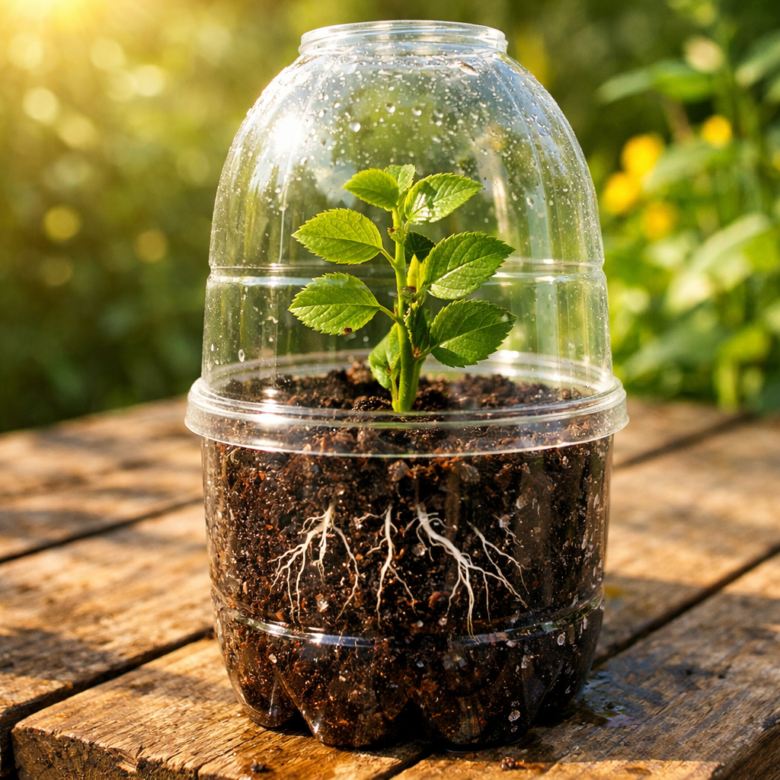
The plastic bottle method is a DIY mini greenhouse technique that uses the top half of a plastic bottle as a humidity dome over a rose cutting planted in the bottom half. This enclosed environment traps moisture, maintains consistent humidity, and creates the perfect microclimate for root development.
This method works because rose cuttings need two critical things to root successfully:
- High humidity to prevent the cutting from drying out before roots form
- Indirect warmth to stimulate cellular root growth
A plastic bottle provides both naturally, making it one of the most reliable rose propagation methods for home gardeners worldwide.
Materials You Need (Total Cost: Almost Zero)
One of the biggest reasons gardeners love this method is how affordable it is. Here’s everything you need:
- 1–2 liter clear plastic bottle — FREE (recycled from your kitchen)
- Healthy rose cutting (6–8 inches long) — FREE (taken from an existing plant)
- Good quality potting soil — ₹20–₹50
- Cinnamon powder — Already in your kitchen
- Water — FREE
- Sharp scissors or a clean knife — Already in your home
That’s it. No rooting hormones to purchase, no special grow lights, no expensive propagation trays. This is genuinely one of the most accessible gardening techniques you’ll ever try.
Step-by-Step Guide: How to Grow Roses in a Plastic Bottle
1: Prepare Your Plastic Bottle
Start with a clean, clear plastic bottle — clear is preferred because it allows you to monitor root development without disturbing the cutting. Cut the bottle cleanly in half using sharp scissors. Make sure your drainage hole is at the bottom of the lower half using a skewer, nail, or scissors tip. Drainage is non-negotiable — without it, your cutting will sit in waterlogged soil and rot before roots ever form.
2: Fill With Potting Soil
Fill the bottom half of the bottle with good quality, well-draining potting soil. Avoid using heavy garden soil, which compacts easily and restricts root growth. Lightly moisten the soil before planting — it should feel like a wrung-out sponge, moist but not wet.
3: Select and Prepare Your Rose Cutting
Choosing the right cutting dramatically impacts your success rate. Look for a healthy stem that’s neither too young nor too woody — ideally from a rose plant that bloomed recently. The cutting should be approximately 6–8 inches long and include at least 2–3 leaf nodes.
Using sharp, clean scissors, cut the stem at a 45-degree angle. This is a critical step that many beginners overlook. The angled cut increases the surface area exposed to soil, allowing more water and nutrient absorption and giving roots more area to emerge from.
Remove any leaves from the lower half of the cutting, leaving only 1–2 sets of leaves at the top. Removing lower leaves prevents moisture loss and stops them from rotting underground.
4: Apply Cinnamon Powder — The Secret Weapon
Here’s where the magic happens. Before planting your cutting, dip the cut end generously into cinnamon powder. Cinnamon is a natural antifungal agent that prevents the most common killer of rose cuttings — fungal rot. But cinnamon also contains compounds that stimulate root growth, making it a completely free, organic alternative to commercial rooting hormone.
If you don’t have cinnamon, honey or fresh aloe vera gel are excellent natural substitutes that work through similar mechanisms.
5: Plant the Cutting
Make a small hole in the center of your moistened potting soil using a pencil or stick — this prevents the cinnamon from being wiped off as you push the stem in. Insert the cutting 2–3 inches deep, pressing the soil gently around it to ensure good contact between stem and soil.
6: Create the Humidity Dome
Place the top half of the plastic bottle over the cutting like a dome or cap. This sealed environment traps humidity around the cutting, mimicking the conditions of a professional propagation greenhouse. The humidity dome is what separates this method from simply sticking a cutting in a pot and hoping for the best.
If the bottle halves don’t fit snugly together, secure them with a piece of tape around the middle.
7: Position and Wait
Place your bottle propagator in a location that receives bright, indirect sunlight. A windowsill that gets morning light works perfectly. Avoid direct harsh afternoon sun, which can overheat the bottle and cook the cutting.
Resist the urge to open the dome, check constantly, or move the bottle frequently. Consistency is everything during this stage.
The Growth Timeline: What to Expect Week by Week
Understanding what’s happening inside your bottle propagator helps you stay patient and confident throughout the process.
1–5 Days : The cutting is adjusting to its new environment. Nothing visible is happening, but internally, callus tissue is forming at the cut end — the first step toward root production.
5–10: Root formation begins in earnest, though still invisible to the naked eye. You may notice the cutting looks slightly perkier, which is a positive sign.
10–15: With a clear bottle, you may begin to see tiny white roots pressing against the sides. This is one of the most exciting moments in gardening!
15–20: The root system strengthens and expands throughout the soil.
20–30: New leaves begin emerging from the top nodes — your clearest signal that propagation has succeeded.
Days 30–45: Your rooted cutting is ready to transplant into a larger pot or directly into the garden.
Days 60–90: With proper care, your rose plant may produce its very first flower buds.
Why Cinnamon Works as a Natural Rooting Hormone
The claim that cinnamon functions as a rooting hormone deserves a deeper look. Cinnamon contains cinnamaldehyde, a compound with powerful antifungal properties that protects vulnerable cut stems from the fungal infections that commonly destroy cuttings during propagation.
Additionally, cinnamon has been shown in multiple gardening studies and community experiments to promote auxin activity — auxins being the plant hormones directly responsible for root development. While commercial rooting hormones like IBA (Indole-3-butyric acid) are more concentrated, cinnamon provides a gentle, organic alternative that’s surprisingly effective for soft and semi-hardwood cuttings like roses.
Common Mistakes That Kill Rose Cuttings (And How to Avoid Them)
Even with the best method, avoidable errors can derail your success. Watch out for these:
- Using a dull blade: A crushing cut damages cellular tissue and slows or prevents rooting. Always use a sharp, clean tool.
- Skipping the 45-degree angle: A straight horizontal cut significantly reduces rooting surface area.
- Overwatering: More cuttings die from root rot caused by overwatering than from underwatering. Moist soil, never soggy.
- Opening the dome too frequently: Every time you open the dome, humidity escapes and you reset the microclimate your cutting depends on.
- Placing in direct sunlight: The bottle amplifies heat, which can reach temperatures that kill the cutting quickly.
- Using diseased or weak cuttings: Always start with the healthiest material available from vigorous, disease-free plants.
- Giving up too early: Some cuttings take longer than 15 days depending on the rose variety and ambient temperature. Give it at least 4 weeks before considering a cutting failed.
Best Season for Rose Propagation Using This Method
Timing matters. The ideal seasons for rose propagation using the plastic bottle method are:
- Spring (February–April): Rising temperatures and longer days create perfect rooting conditions
- Early Fall (September–November): Cooler temperatures reduce stress on cuttings while soil remains warm enough to encourage root growth
Avoid attempting propagation during peak summer heat waves or deep winter cold. Extreme temperatures dramatically reduce success rates regardless of method.
Expanding the Technique: Other Plants That Thrive in Bottle Propagators
Once you’ve mastered rose propagation, the same plastic bottle technique works beautifully for:
- Hibiscus — thrives with identical conditions
- Jasmine — roots quickly using this method
- Bougainvillea — slightly trickier but very achievable
- Pothos and other tropical foliage plants — often roots within days
- Mint and basil — excellent for culinary herb propagation
Your plastic bottle propagators can work year-round, rotating different plants through them as seasons change.
Final Tips for 100% Success
Before you head out to collect your first rose cutting, keep these final success principles in mind:
Always choose healthy cuttings from vigorous parent plants
Be generous with cinnamon powder on the cut end
Keep soil consistently moist but never waterlogged
Be patient — nature operates on its own timeline
Use clear bottles so you can monitor root development without disturbing the cutting
Label your bottles if propagating multiple varieties simultaneously
Start Your Rose Garden for Free Today
Growing roses in a plastic bottle isn’t just a clever hack — it’s a genuinely effective propagation method used by gardeners around the world to multiply their rose collections for virtually nothing. With a recycled bottle, a healthy cutting, a pinch of cinnamon, and a little patience, you can grow beautiful roses that will bloom season after season.
The best part? Every successful cutting means one more rose plant you can keep, gift, or use to beautify a new corner of your home or garden.
Ready to get started? Grab an empty plastic bottle from your recycling bin, head into your garden for a healthy cutting, and follow the steps above. Then share your results in the comments below — we’d love to hear how your roses are growing!