
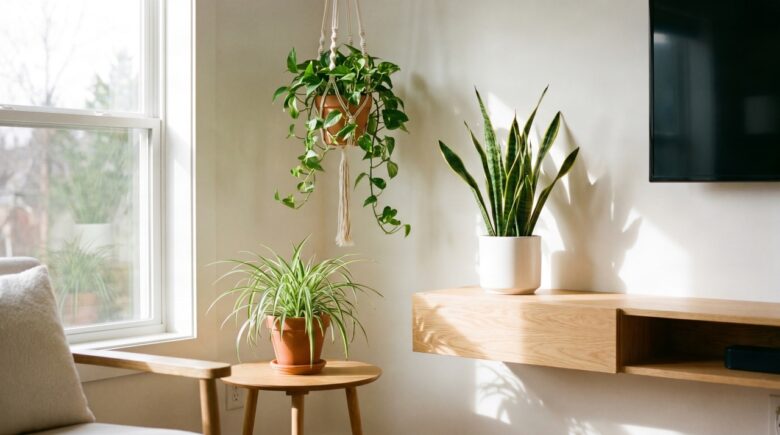
The Environmental Protection Agency reports that indoor air can be two to five times more polluted than outdoor air. That number can go even higher in tightly sealed, well-insulated homes. If you spend most of your time inside, that matters.
The good news is that certain indoor plants that purify air do exist, and some of them are surprisingly easy to keep alive. This article tells you which plants work, what they actually do, and what you should realistically expect from them. No fluff. No lists of exotic plants you can’t find at your local nursery. Just honest, useful information.
By the end, you will know which plants to buy, where to put them, and exactly how much they can (and cannot) help. That way you can make a smart decision instead of just grabbing something green and hoping for the best.
This Article Is for One Specific Person
You are probably someone who spends a lot of time indoors. Maybe you work from home, live in an apartment with limited ventilation, or you just started paying more attention to what you are breathing in every day.
You have heard that plants can clean the air. You have seen the lists floating around online. But you are not sure which plants actually do anything useful, which ones are hype, and whether the whole idea is even worth your time.
You are not a botanist. You do not want to manage a complicated plant collection. You want something that looks decent, does not require a lot of attention, and genuinely helps the air quality in your space. This article is written exactly for you.
What You Need to Know Before Buying Anything
The idea that houseplants can filter indoor air traces back to a 1989 NASA Clean Air Study. NASA researchers were looking for ways to keep the air clean inside sealed space stations. They tested common houseplants and found that several of them could absorb harmful chemicals like formaldehyde, benzene, and trichloroethylene.
Over time, breathing in low levels of VOCs can cause headaches, eye irritation, fatigue, and in some cases more serious indoor air quality and health issues. They come from everyday items like paint, furniture, cleaning products, carpets, and even some personal care products. Over time, breathing in low levels of VOCs can cause headaches, eye irritation, fatigue, and in some cases more serious health issues.
Here is where things get honest. The NASA study was done in small, controlled chambers, not in typical homes. A 2019 analysis published in the Journal of Exposure Science and Environmental Epidemiology found that you would need between 10 and 1,000 plants per square meter to match the air cleaning that a simple open window or basic ventilation system provides. That sounds discouraging, but it does not mean plants are useless.
Plants do filter VOCs. They also add humidity, reduce psychological stress, and make spaces feel calmer and more livable. The research on stress and productivity improvements from having plants indoors is actually stronger than the research on air filtration alone. So the question is not whether plants help. They do. The question is how much, and which ones are worth getting.
The 7 Plants Worth Your Money and Attention
Snake Plant (Sansevieria trifasciata)
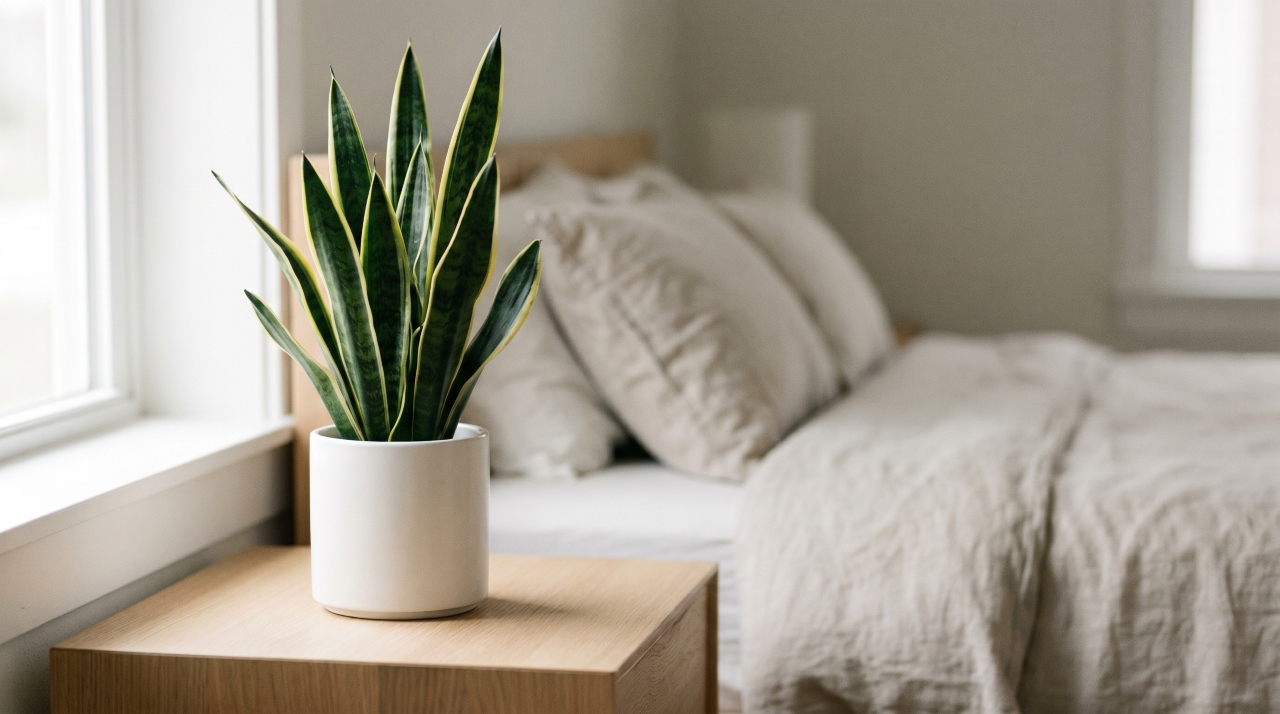
The snake plant is one of the best indoor plants that purify air for people who tend to forget to water things. It can go two to six weeks without water depending on the season and still look perfectly healthy. It thrives in low light, which makes it practical for bedrooms, hallways, and offices.
Research has shown it absorbs formaldehyde, xylene, and benzene. It is also one of the few plants that continues releasing oxygen at night, which is why many people keep one in the bedroom. If you only buy one plant, this is the one to start with.
Get a 6-inch or 8-inch pot, put it in any room with indirect light, and water it once every two to three weeks. That is genuinely all it needs.
Spider Plant (Chlorophytum comosum)
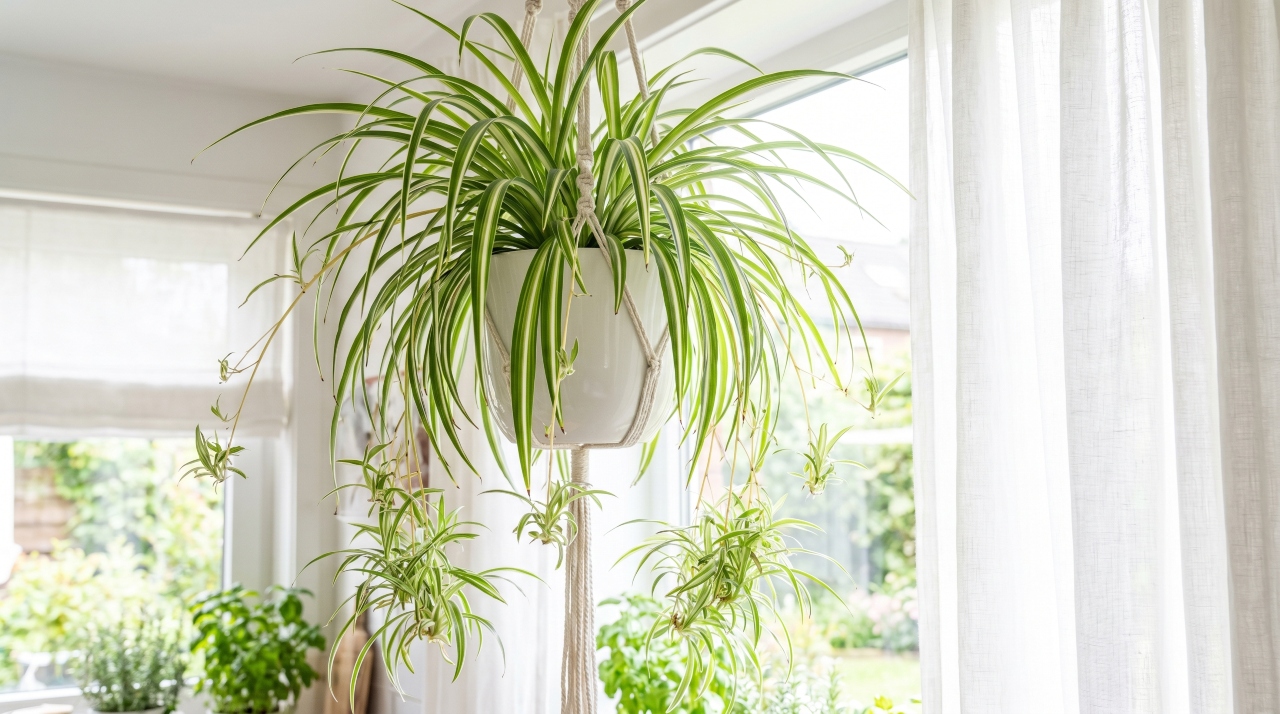
Spider plants are fast growers and very forgiving. They are one of the safest choices if you have pets or small children because they are non-toxic to cats, dogs, and people. That matters more than most plant articles bother to mention.
They are effective at removing formaldehyde and carbon monoxide from the air. A single spider plant in a well-lit spot can produce several “baby” plants within a few months, which means one purchase can eventually fill multiple rooms.
Put one in your kitchen or near a fireplace where carbon monoxide levels can be slightly elevated. Water it once a week and give it bright, indirect light.
Peace Lily (Spathiphyllum)
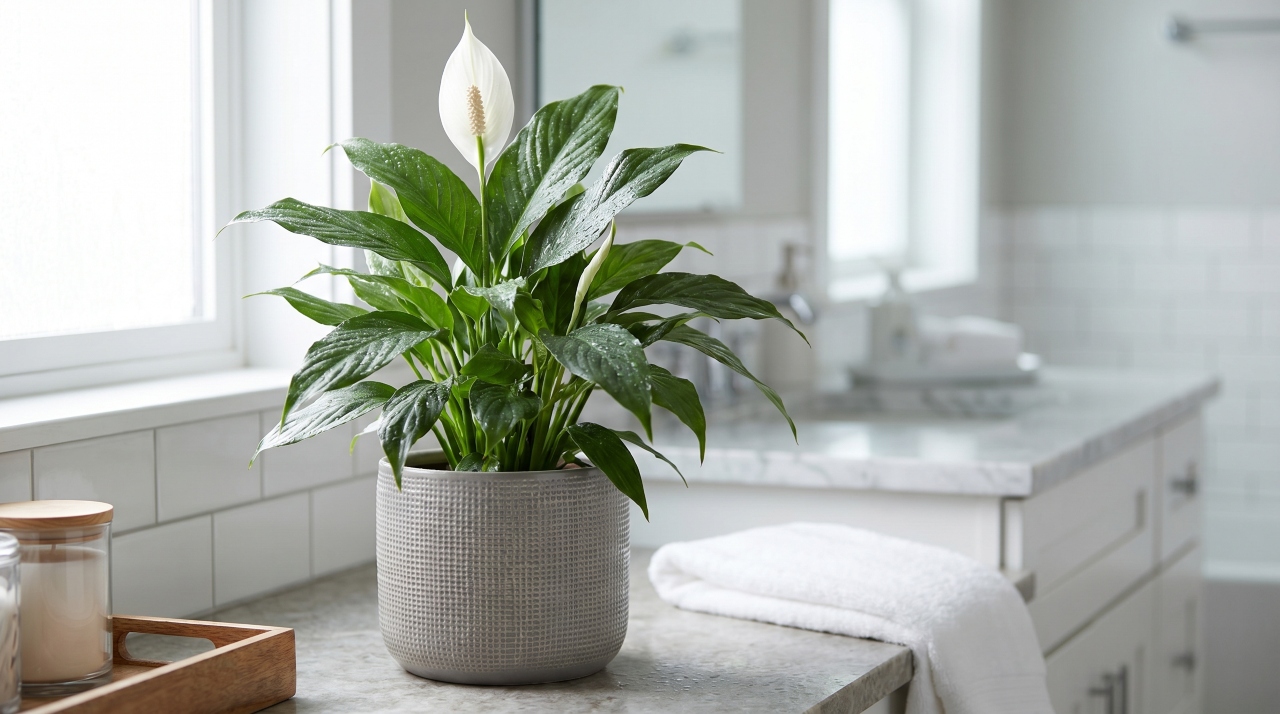
The peace lily is one of the most effective indoor plants that purify air, and it handles low light better than most flowering plants. It removes ammonia, benzene, formaldehyde, and trichloroethylene from the air, which gives it one of the broader filtration ranges of any common houseplant.
There is one honest downside: peace lilies are toxic to cats and dogs. If you have pets, skip this one or keep it somewhere completely out of reach.
For homes without pets, put a peace lily in a bathroom or bedroom. It actually thrives in humidity and low light, which makes bathrooms one of the best spots for it. Water it when the top inch of soil feels dry.
Pothos (Epipremnum aureum)
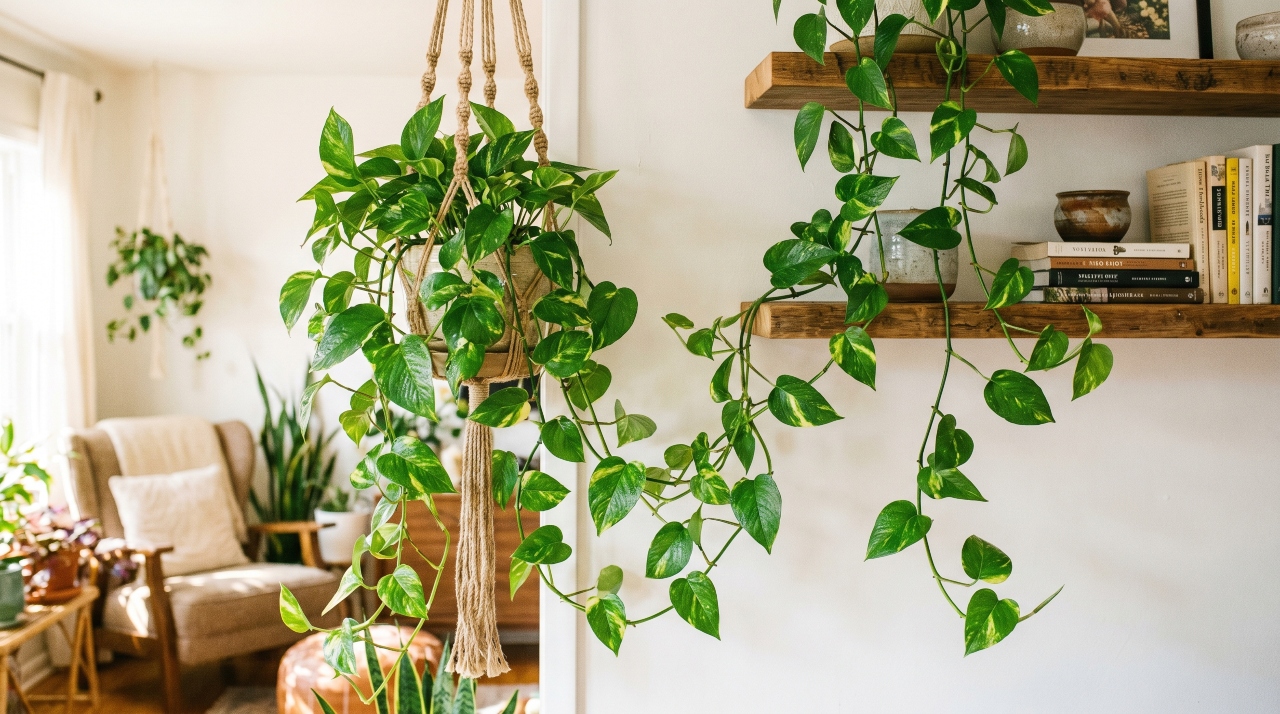
Pothos is almost indestructible. It grows in low light, tolerates irregular watering, and can even survive a few weeks of complete neglect. It removes benzene, formaldehyde, xylene, and carbon monoxide.
One practical thing about pothos is how versatile it is physically. You can let it trail off a shelf, hang it in a basket, or train it to climb a small trellis. It grows fast, so one pot quickly becomes a noticeable amount of plant mass.
Like peace lilies, pothos is toxic to pets. Keep that in mind before placing it somewhere your animals can reach.
Boston Fern (Nephrolepis exaltata)
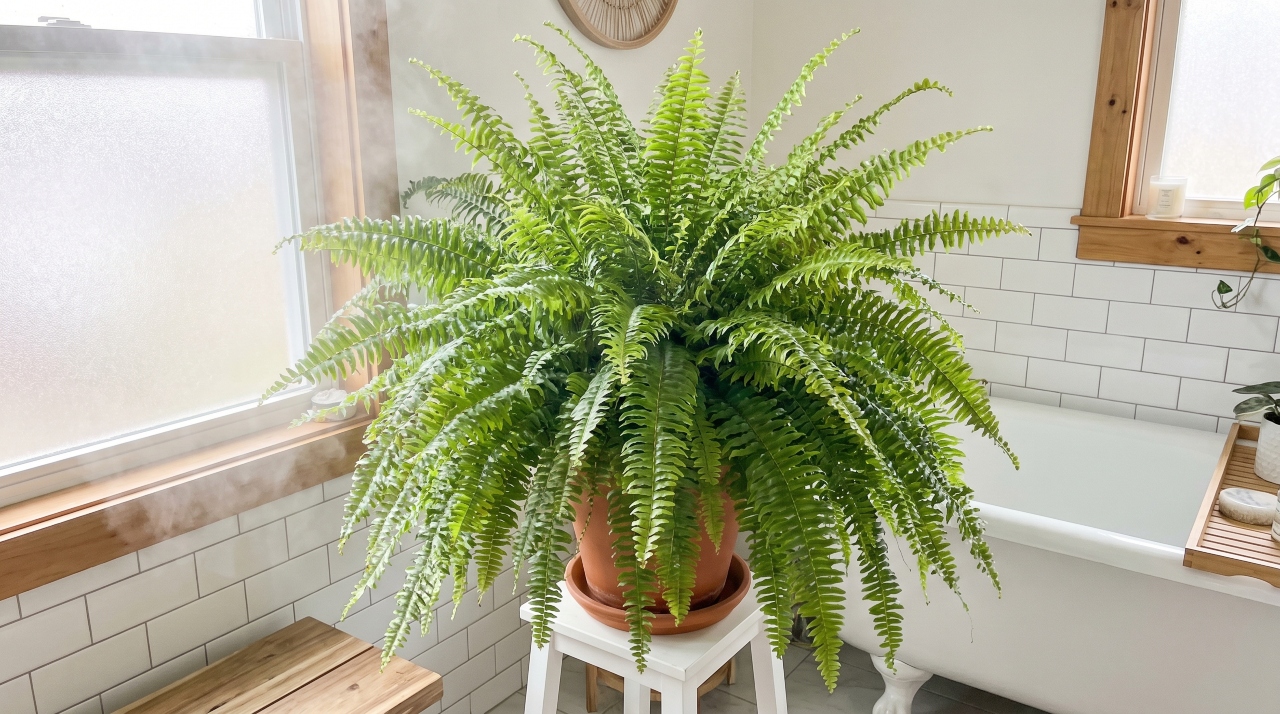
If you want a plant that adds serious humidity back into dry indoor air, the Boston fern is your best option. It is one of the most effective natural humidifiers available and also filters formaldehyde and xylene well.
The honest trade-off is that Boston ferns need consistent moisture and indirect light. They drop leaves quickly if the air gets too dry or if they dry out between waterings. They do best in bathrooms with natural light or near humidifiers in living rooms.
If your home gets very dry in winter due to heating systems, a Boston fern can noticeably improve how the air feels. Just be ready to mist it or set it on a pebble tray with water.
Rubber Plant (Ficus elastica)
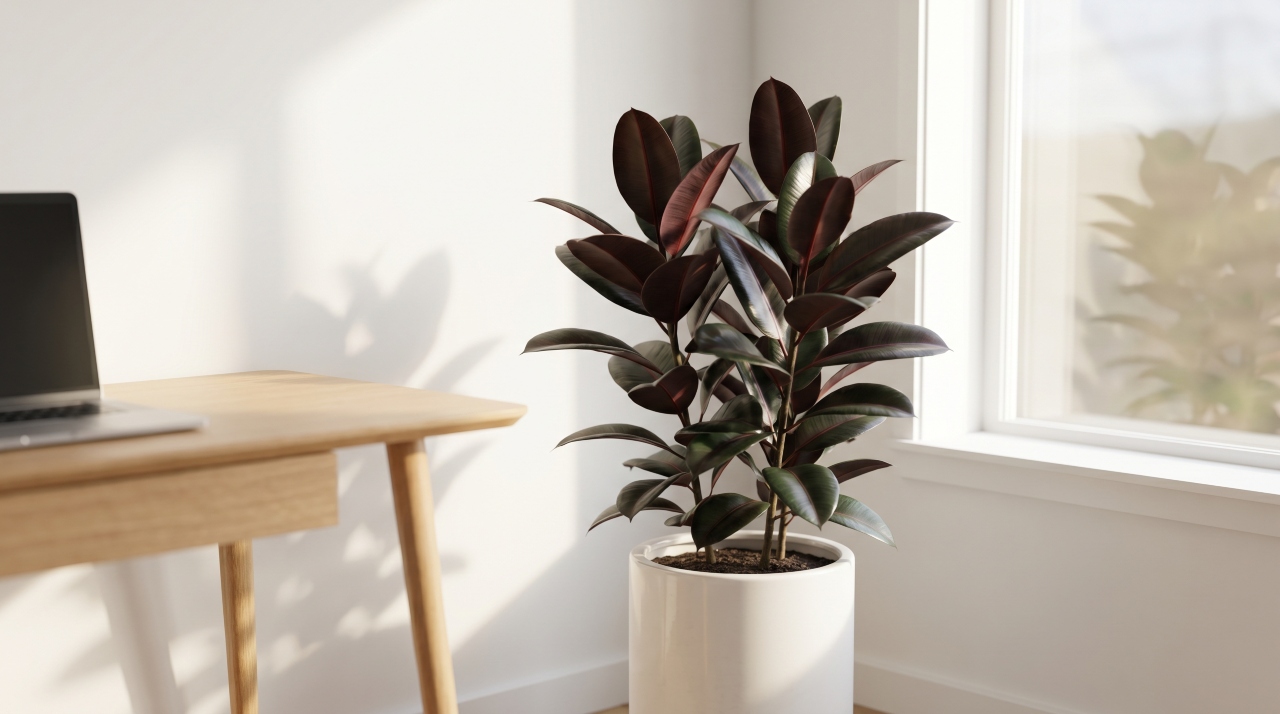
The rubber plant is a larger, statement-making option that earns its place on this list. It is particularly good at removing formaldehyde from the air and it grows into a substantial plant, which means more leaf surface area actively working.
It prefers bright, indirect light and moderate watering. It is toxic to pets, so that same warning applies here. But for homes without animals, a rubber plant in a corner of the living room or home office adds both visual weight and genuine air filtration.
Water it when the top two inches of soil feel dry. Wipe the leaves with a damp cloth every couple of weeks so dust does not block the pores that do the actual filtering.
Aloe Vera
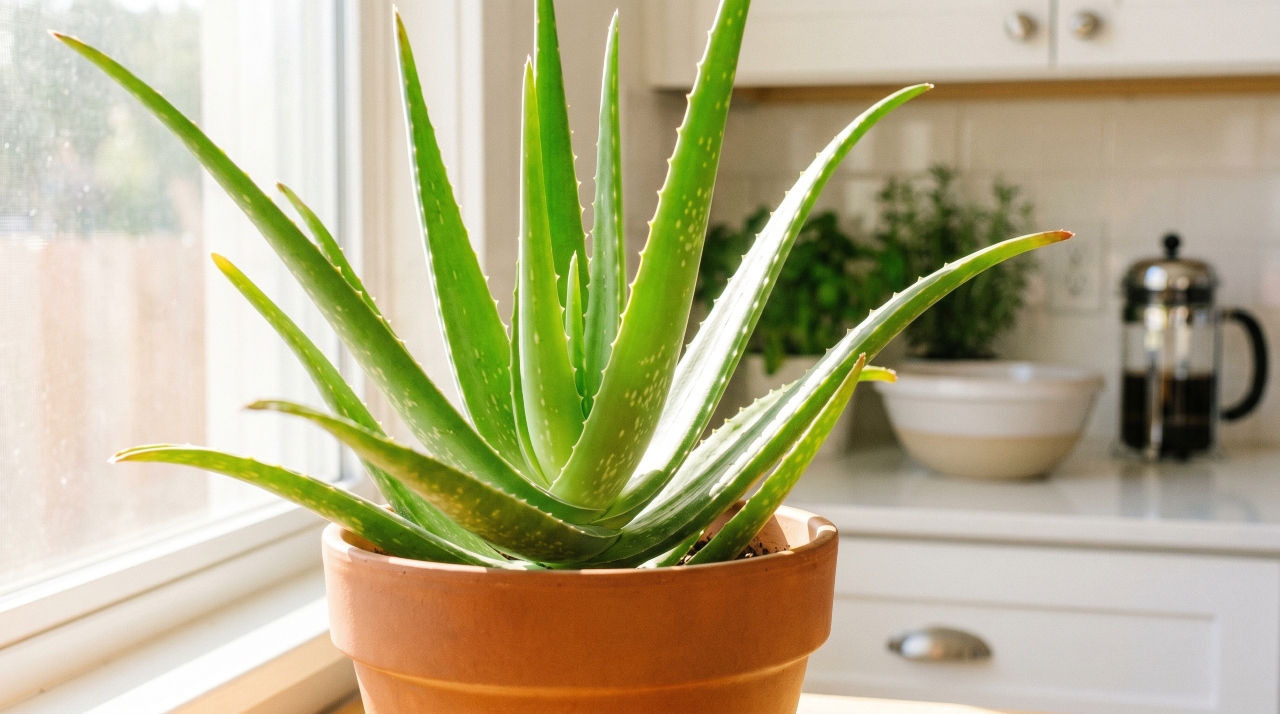
Aloe vera is practical on two levels. It filters benzene and formaldehyde from the air, and the gel inside the leaves is genuinely useful for minor burns and skin irritation. It belongs in kitchens for both reasons.
It needs bright light, so a sunny windowsill is ideal. Water it deeply but infrequently, roughly once every two to three weeks. Overwatering kills aloe vera faster than anything else, so err on the side of too little rather than too much.
A small to medium aloe on a kitchen counter is one of the most useful plants you can own.
Here is a quick side-by-side summary of what each plant does best:
| Plant | Best Feature | Light Needed | Pet Safe? |
|---|---|---|---|
| Snake Plant | Low maintenance, night oxygen | Low to bright indirect | Yes |
| Spider Plant | Carbon monoxide removal | Bright indirect | Yes |
| Peace Lily | Broad VOC range | Low | No |
| Pothos | Near indestructible | Low to bright | No |
| Boston Fern | Adds humidity | Bright indirect | Yes |
| Rubber Plant | Formaldehyde removal | Bright indirect | No |
| Aloe Vera | Dual use, kitchen-friendly | Bright/direct | No |
What Most Articles About Air-Purifying Plants Get Wrong
Most articles give you a long list and tell you every plant on it is amazing. What they skip is this: the number of plants matters as much as the type of plant.
A single pothos in the corner of a 300-square-foot apartment is not going to meaningfully change your air quality on its own. The peer-reviewed research on houseplants and air quality found that air exchange rates in real homes dilute the filtration effect much faster than controlled lab conditions do..
The practical fix is simple. You need more than one plant per room to see a real difference. Aim for at least two to three medium-to-large plants per 100 square feet of living space. That is the threshold most researchers point to when discussing measurable improvements.
Pairing plants with basic habits like cracking a window daily, using a HEPA air purifier, and vacuuming regularly creates a genuinely cleaner air environment. Plants are one part of the solution, not the whole answer.
How to Actually Get Started
Start with two plants, not ten. Pick one from the pet-safe column if you have animals. The snake plant and spider plant are the two easiest starting points for almost everyone.
Buy them from a local nursery rather than a big box store when possible. Nursery plants are typically healthier, and the staff can answer specific questions about your light conditions and space.
Bring them home and place them according to the light requirements listed above. Set a phone reminder to check on them once a week for the first month. You are not necessarily watering every week. You are just checking the soil and looking for signs of stress like yellowing or drooping.
After the first month, you will have a feel for what each plant needs. Once you are comfortable, add one or two more plants to a different room. Build slowly. A small, thriving collection does more good than a large, neglected one.
The Single Most Important Takeaway
Indoor plants that purify air do work, but they work best as part of a broader approach to indoor air quality. The right plants, placed thoughtfully and cared for consistently, make a real difference over time.
Start with a snake plant or spider plant. Get comfortable. Then add more as you go. Two or three healthy plants per room, combined with regular ventilation, is a genuinely effective and affordable strategy.
Pick up one plant this week. Put it somewhere you will actually see it every day. That first step is the only one that matters right now.