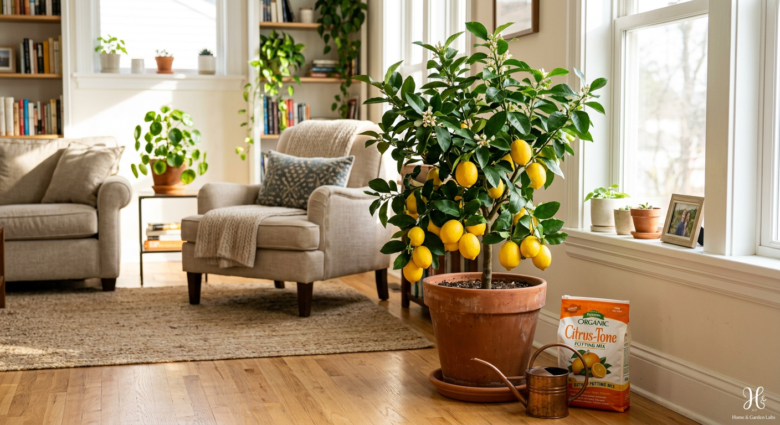
There’s something undeniably magical about plucking a fresh, sun-ripened lemon from a tree in your own living room. The bright yellow fruit. The intoxicating fragrance of citrus blossoms filling your home. The sheer satisfaction of knowing you grew it.
And here’s the best part — growing a lemon tree indoors is far easier than most people think.
You don’t need a sprawling backyard. You don’t need to live in a tropical climate. And you don’t even need a green thumb. With the right variety, the right pot, the right soil, and a little consistent care, you can harvest real, juicy lemons from inside your home — no matter where you live.
In this comprehensive guide, we’ll walk you through every single step of growing a lemon tree indoors, from selecting the perfect citrus variety to troubleshooting common problems. Whether you’re a complete beginner or an experienced gardener venturing into indoor citrus for the first time, this article has everything you need to succeed.
Also Check our Guide On Youtube! Let’s dig in.
Why Grow a Lemon Tree Indoors?
Before we get into the how, let’s talk about the why. Growing a lemon tree inside your home offers benefits that extend far beyond the fruit itself.
- Year-round fresh lemons — No more buying overpriced, wax-coated lemons from the grocery store. Your indoor lemon tree can produce fruit in every season.
- Incredible fragrance — Lemon blossoms are among the most beautifully scented flowers in the plant world. A single tree can perfume an entire room.
- Air purification — Like many houseplants, lemon trees help filter indoor air and increase humidity.
- Stunning décor — With glossy green leaves and vibrant yellow fruit, an indoor lemon tree doubles as a gorgeous living centerpiece.
- Mental health boost — Caring for a living, fruiting plant has been shown to reduce stress and improve overall well-being.
Convinced? Good. Let’s get started.
1: Choose the Right Variety — Meyer Lemon Tree Is King
Not all lemon trees are created equal, and not all varieties will thrive indoors. If you want success with minimal frustration, there’s one variety that stands head and shoulders above the rest:
The Meyer Lemon Tree
The Meyer lemon tree (Citrus × meyeri) is widely considered the best lemon tree for indoor growing, and for very good reasons:
- Compact size — Meyer lemon trees are naturally dwarf, typically reaching only 4 to 6 feet tall indoors. This makes them perfect for apartments, condos, and smaller living spaces.
- Sweeter fruit — Meyer lemons are a cross between a traditional lemon and a mandarin orange, resulting in a sweeter, less acidic flavor that’s perfect for cooking, baking, and cocktails.
- Prolific producer — With proper care, a single Meyer lemon tree can produce dozens of lemons per year, even indoors.
- Self-pollinating — Unlike some citrus varieties, Meyer lemons don’t need a second tree for pollination. One tree is all you need.
- Cold-tolerant — Compared to other citrus, Meyer lemons handle the cooler, drier conditions of indoor environments remarkably well.
Pro Tip: Purchase your Meyer lemon tree from a reputable nursery rather than trying to grow one from seed. Seed-grown trees can take 5 to 7 years to produce fruit, while a nursery-grown tree that’s 2 to 3 years old can begin fruiting within the first year.
Other indoor-friendly varieties include the Improved Dwarf Meyer Lemon, Ponderosa Lemon, and Eureka Lemon, but the classic Meyer remains the gold standard.
2: Select the Perfect Pot
Your container choice matters more than you might think. The right pot sets the foundation for healthy root development, proper drainage, and long-term growth.
Pot Size
Start with a 12- to 15-inch pot for a young tree. This gives the roots enough room to spread without drowning the plant in excess soil moisture. As your tree grows over the years, you can gradually size up to a 20-inch container.
Drainage Is Non-Negotiable
This is the single most important feature of your pot: it must have drainage holes at the bottom. Lemon trees absolutely cannot tolerate waterlogged roots. Standing water leads to root rot, which is the number one killer of indoor citrus trees.
Best Pot Materials
- Terracotta — Excellent breathability, allows excess moisture to evaporate through the walls. Heavy enough to prevent tipping. The top choice for most indoor citrus growers.
- Ceramic (glazed) — Attractive and functional, but slightly less breathable than unglazed terracotta.
- Plastic — Lightweight and affordable, but retains more moisture. Use with caution and ensure exceptional drainage.
Place a saucer underneath your pot to catch runoff water, but never let the pot sit in standing water for extended periods.
3: Use the Right Soil — Citrus Potting Mix
Standard potting soil is too dense and moisture-retentive for lemon trees. Your indoor citrus needs a specialized growing medium that provides three things: excellent drainage, adequate aeration, and the correct pH level.
Ideal Soil Characteristics
- pH between 5.5 and 6.5 — Lemon trees prefer slightly acidic soil. You can test your soil’s pH with an inexpensive testing kit from any garden center.
- Well-draining — The mix should allow water to flow through freely, never becoming soggy or compacted.
- Nutrient-rich — A good citrus mix contains organic matter that provides a slow release of essential nutrients.
Best Options
- Pre-made citrus and cactus potting mix — Available at most garden centers. This is the easiest option and is specifically formulated for the drainage and pH needs of citrus trees.
- DIY mix — Combine equal parts standard potting soil, perlite, and peat moss (or coconut coir). This creates a lightweight, well-draining medium with the right acidity.
Avoid: Garden soil, heavy clay-based mixes, or any soil that retains excessive moisture. These will suffocate your lemon tree’s roots.
4: Provide Plenty of Sunlight — 8 to 12 Hours Daily
Sunlight is the engine that drives your lemon tree’s growth, flowering, and fruit production. Skimp on light, and your tree will languish. Provide enough, and it will reward you abundantly.
How Much Light Does an Indoor Lemon Tree Need?
Your lemon tree needs 8 to 12 hours of bright, direct sunlight every day. This is the most critical factor in growing citrus indoors successfully.
Best Placement
- South-facing window — In the Northern Hemisphere, a large south-facing window provides the most consistent, intense sunlight throughout the day. This is the ideal location.
- Southwest or west-facing window — A good secondary option that captures strong afternoon light.
- East-facing window — Provides gentle morning light but may not deliver enough total hours of direct sun.
What If You Don’t Have Enough Natural Light?
No south-facing window? No problem. Full-spectrum LED grow lights are a game-changer for indoor citrus growers. Position a quality grow light 6 to 12 inches above your tree and run it for 10 to 14 hours daily to supplement or replace natural sunlight.
Look for grow lights with a color temperature between 5,000K and 6,500K, which closely mimics natural daylight.
Signs Your Lemon Tree Isn’t Getting Enough Light
- Leggy, stretched-out growth reaching toward the window
- Pale or yellowing leaves
- Leaf drop
- Failure to flower or produce fruit
If you notice any of these symptoms, immediately increase light exposure.
5: Water Correctly — When the Top Inch of Soil Is Dry
Watering is where most indoor lemon tree owners go wrong. Both overwatering and underwatering can stress or kill your tree. The key is finding the sweet spot.
The Golden Rule
Water your indoor lemon tree when the top inch of soil feels dry to the touch. Stick your finger into the soil up to the first knuckle. If it feels dry, water thoroughly. If it still feels moist, wait another day or two.
How to Water Properly
- Water slowly and deeply until water flows freely from the drainage holes at the bottom of the pot.
- Allow the pot to drain completely.
- Empty the saucer of any excess water after 15 to 20 minutes.
- Never let the pot sit in a pool of water.
Seasonal Adjustments
- Spring and summer — Your lemon tree is actively growing and will need more frequent watering, potentially every 3 to 5 days.
- Fall and winter — Growth slows down significantly. Reduce watering frequency, possibly to once every 7 to 10 days.
Humidity Matters Too
Indoor environments, especially during winter with heating systems running, can become extremely dry. Lemon trees prefer humidity levels between 40% and 60%. Boost humidity by:
- Misting the leaves regularly
- Placing a humidity tray (a shallow tray filled with pebbles and water) beneath the pot
- Running a small humidifier nearby
6: Fertilize Regularly — Every 4 to 6 Weeks During Growing Season
Lemon trees are heavy feeders. Growing in a container limits their access to natural soil nutrients, so consistent fertilization is essential for healthy growth and fruit production.
When to Fertilize
Feed your indoor lemon tree every 4 to 6 weeks during spring and summer (the active growing season). Reduce or stop fertilizing entirely during fall and winter when the tree enters its rest period.
Best Fertilizer for Indoor Lemon Trees
Use a citrus-specific fertilizer that contains the essential macronutrients — nitrogen, phosphorus, and potassium — along with important micronutrients like iron, zinc, manganese, and magnesium. Look for a balanced NPK ratio such as 6-4-6 or 5-2-6, which is formulated specifically for citrus needs.
Application Tips
- Follow the manufacturer’s dosage instructions carefully. More is not better — over-fertilizing can burn roots and damage your tree.
- Water the soil before applying liquid fertilizer to prevent root burn.
- Consider slow-release granular fertilizers for a more hands-off approach.
Bonus Tips for Indoor Lemon Tree Success
Pollination Help
While Meyer lemons are self-pollinating, indoor trees don’t have wind or bees to assist. During flowering, gently shake the branches or use a small, soft paintbrush to transfer pollen between blossoms. This simple step can dramatically increase your fruit yield.
Pruning
Prune your lemon tree in early spring to maintain its shape, remove dead or crossing branches, and encourage bushier growth. Don’t be afraid to cut — citrus trees respond well to pruning.
Temperature
Keep your indoor lemon tree in temperatures between 60°F and 80°F (15°C to 27°C). Avoid placing it near cold drafts, heating vents, or exterior doors that open frequently during winter.
Repotting
Repot your lemon tree every 2 to 3 years, moving up one pot size. Refresh the soil completely during repotting to replenish nutrients and improve drainage.
Common Problems and How to Fix Them
| Problem | Likely Cause | Solution |
|---|---|---|
| Yellow leaves | Overwatering or nutrient deficiency | Adjust watering schedule; fertilize |
| Leaf drop | Temperature stress or underwatering | Stabilize environment; check soil moisture |
| No flowers | Insufficient light | Move to sunnier location or add grow light |
| Sticky leaves | Pest infestation (scale, aphids) | Treat with neem oil or insecticidal soap |
| Brown leaf tips | Low humidity or salt buildup | Increase humidity; flush soil with water |
Start Growing Your Indoor Lemon Tree Today
Growing a lemon tree indoors isn’t just possible — it’s one of the most rewarding gardening projects you can take on. With a Meyer lemon tree, the right pot and soil, plenty of sunlight, proper watering, and regular fertilization, you’ll be harvesting your own fresh, fragrant, homegrown lemons before you know it.
Imagine stepping into your kitchen, reaching over to your beautiful little tree, and twisting off a perfectly ripe lemon for your morning water, your evening cocktail, or your weekend baking project. That reality is just six simple steps away.
Ready to get started? Grab a Meyer lemon tree from your local nursery or order one online, follow the steps in this guide, and watch the magic unfold.